Stephan van Vuren
AirHub Kennisserie: Inzicht in Dronedetectiesystemen:
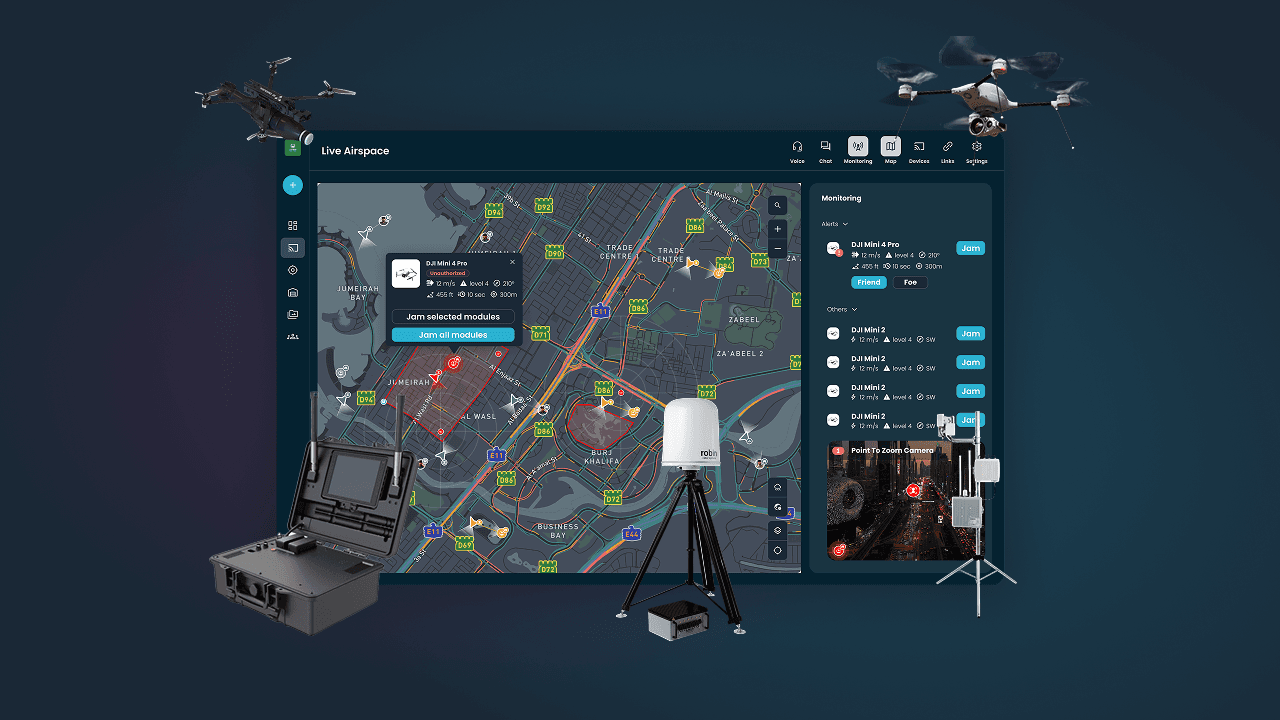
Naarmate drones toegankelijker worden en steeds vaker worden gebruikt, moeten luchtruimgebruikers en eigenaars van activa steeds meer begrijpen wat er om hen heen vliegt. Dit heeft geleid tot een snelle groei van drone-detectiesystemen, vaak gegroepeerd onder de bredere term Counter-UAS. Toch vervagen veel discussies belangrijke onderscheidingen: detectie versus mitigatie, detectie versus classificatie, en tactisch versus strategisch gebruik.
Deze blog pakt de belangrijkste typen drone-detectiesystemen uit, legt uit waar elk het beste werkt en benadrukt hun sterke en zwakke punten.
Detectie Versus Mitigatie: Een Kritiek Onderscheid
Voordat we ons in technologieën verdiepen, is het belangrijk om twee fundamenteel verschillende capaciteiten te scheiden.
Drone-detectiesystemen zijn bedoeld om te identificeren dat er een drone aanwezig is, te bepalen waar deze zich bevindt en idealiter te begrijpen welk type drone het is. Deze systemen bieden bewustwording en ondersteunen besluitvorming.
Drone-mitigatiesystemen interfereren actief met een drone, bijvoorbeeld door middel van verstoring, overname of kinetische middelen. Deze acties zijn meestal sterk beperkt of gereserveerd voor overheidsinstanties vanwege veiligheids-, juridische en aansprakelijkheidskwesties.
De meeste organisaties, inclusief kritieke infrastructuurbeheerders en publieke instanties, richten zich primair op detectie en situationeel bewustzijn. Zonder betrouwbare detectie en classificatie is mitigatie ofwel onmogelijk of onveilig.
Detectie Versus Classificatie
Alleen detectie beantwoordt de vraag: is er iets dat hier vliegt?
Classificatie beantwoordt een meer genuanceerde vraag: wat is het?
Een robuust systeem ondersteunt idealiter beide:
• Detectie identificeert een object of signaal dat een drone kan zijn
• Classificatie bepaalt of het een drone is, welk type, en of het waarschijnlijk compliant of niet-coöperatief is
Niet alle technologieën ondersteunen beide even goed, wat een van de belangrijke afwegingen is die hieronder worden besproken.
Radar-gebaseerde Drone Detectie
Radarsystemen detecteren objecten door radiogolven uit te zenden en de reflecties te analyseren. Ze worden veel gebruikt in traditionele luchtvaart en zijn aangepast voor lage hoogtedetectie van drones.
Radar is bijzonder effectief voor:
• Surveillance over een groot gebied
• Detectie van drones ongeacht RF-emissies
• Operaties in duisternis of slechte zichtbaarheid
Maar radar-systemen ondervinden uitdagingen op lage hoogte. Kleine drones hebben een beperkte radar doorsnede, waardoor ze moeilijker te onderscheiden zijn van vogels, voertuigen of rommel. Als gevolg hiervan biedt radar vaak sterke detectiecapaciteit, maar beperkte classificatie zonder ondersteuning van andere sensoren.
Radar is het meest geschikt voor:
• Luchthavens en grote industriële locaties
• Grens- en kustbewaking
• Gebieden waar vroegtijdige langeafstandswaarschuwing vereist is
RF-gebaseerde Drone Detectie
RF-detectiesystemen monitoren het radiospectrum op signalen tussen drones en hun controllers. Wanneer een drone communiceert via bekende protocollen, kunnen RF-sensoren vaak identificeren:
• De aanwezigheid van een drone
• De fabrikant of modelgroep
• Soms de positie van de drone en piloot
RF-detectie blinkt uit in classificatie voor commercieel verkrijgbare drones met standaard besturingsverbindingen. Het is passief, wat betekent dat het zelf geen signalen uitzendt, wat voordelig is in gevoelige omgevingen.
De beperkingen worden duidelijk wanneer:
• Drones autonoom vliegen zonder een actieve besturingsverbinding
• Versleutelde of niet-standaard frequenties worden gebruikt
• Signaalreflecties of verstoringen in stedelijke gebieden de nauwkeurigheid verminderen
RF-systemen zijn goed geschikt voor:
• Stedelijke omgevingen
• Beveiligingsperimeters
• Bewakingsnaleving rond beperkte zones
Electro-Optische en Infrarood Systemen
Visuele detectie maakt gebruik van camera's, vaak gecombineerd met op AI-gebaseerde beeldherkenning, om drones direct op te sporen.
Electro-optische camera's werken in zichtbaar licht, terwijl infraroodsystemen hittesignaturen detecteren. Samen kunnen ze:
• Visueel de aanwezigheid van een drone bevestigen
• Classificatie en tracking ondersteunen
• Bewijsmateriaal in beeldvormen bieden
Deze systemen presteren het beste wanneer ze cuing-systemen zijn, wat betekent dat ze door een andere sensor zoals radar of RF naar een specifiek gebied worden geleid. Op zichzelf is gespreid scannen moeilijk en rekenintensief.
Hun belangrijkste beperkingen zijn:
• Weer- en lichtomstandigheden
• Vereisten voor zichtlijn
• Beperkt bereik vergeleken met radar
Visuele systemen zijn het meest effectief voor:
• Beveiliging van omheiningen
• Bescherming van kritieke infrastructuur
• Situationele bevestiging na initiële detectie
Acoustische Drone Detectie
Acoustic-systemen identificeren drones op basis van hun geluidspatroon. Ze gebruiken microfoonarrays en patroonherkenning om drones te detecteren en soms te classificeren.
Acoustische detectie kan waardevol zijn in:
• Zeer laagvliegende omgevingen
• Gebieden met beperkte RF-emissies
• Situaties waarin het zicht wordt belemmerd
Echter, acoustische systemen zijn zeer gevoelig voor omgevingsgeluid, wind en terrein. Hun effectieve bereik is relatief kort, en valse alarmen kunnen voorkomen in lawaaierige omgevingen.
Daardoor wordt acoustische detectie meestal gebruikt als een aanvullende sensor in plaats van als een primair detectiemiddel.
Waarom Multisensorfusie Belangrijk Is
Geen enkele detectietechnologie is op zichzelf voldoende. Elke technologie heeft blinde vlekken en presteert anders afhankelijk van het milieu, het weer en het dreigingsprofiel.
Moderne drone-detectie-architecturen vertrouwen steeds meer op sensorfusie, waarbij ze combineren:
• Radar voor gedetecteerd over een groot gebied
• RF voor identificatie en classificatie
• Visuele en infraroodsensoren voor bevestiging en tracking
• Acoustische sensoren voor nabijheidsbewustzijn
Door inputs te correleren, verminderen systemen valse alarmen en verbeteren ze het vertrouwen. Deze gelaagde benadering is bijzonder belangrijk in complexe omgevingen zoals havens, industriële locaties en stedelijke gebieden.
Detectie in de Context van Luchtruimbewustzijn
Drone-detectiesystemen opereren niet geïsoleerd. In veel operationele contexten, vooral openbare veiligheid en kritieke infrastructuur, moet detectie worden geïntegreerd met:
• Droneschakelsystemen voor geautoriseerde operaties
• UTM- of U-space-diensten die coöperatieve verkeersinformatie verschaffen
• Procedures voor escalatie, coördinatie en reactie
Detectiesystemen richten zich primair op niet-coöperatief verkeer: drones die niet zichtbaar zijn in UTM-systemen of buiten de toestemming opereren. Wanneer gecombineerd met coöperatieve verkeersgegevens, kunnen organisaties een vollediger beeld opbouwen van het lagere luchtruim.
Hoe AirHub In Dit Plaatje Past
Bij AirHub zien we drone-detectie als een onderdeel van een bredere uitdaging op het gebied van luchtruimbewustzijn en -beheer.
Via ons Drone Operations Platform integreren we gegevens van UTM- en U-space-diensten en ondersteunen we integraties met drone-detectiesystemen. Hierdoor kunnen operators en autoriteiten onderscheid maken tussen geautoriseerd drone-verkeer en onbekende of mogelijk niet-commerciële activiteiten.
Vanuit een consultatief perspectief ondersteunen we organisaties in:
• Het kiezen van geschikte detectietechnologieën voor hun operationele context
• Het definiëren van procedures voor detectie, escalatie en coördinatie
• Het integreren van detectiemogelijkheden in regelgevende kaders, inclusief SORA en operationele autorisaties
• Het afstemmen van detectiestrategieën met wettelijke beperkingen op mitigatie
In plaats van detectie als een op zichzelf staand technisch probleem te behandelen, helpen we organisaties het te integreren in veilige, conforme en schaalbare operationele concepten.
Slotgedachten
Drone-detectie gaat niet over het kiezen van de “beste” sensor. Het gaat over begrijpen wat je moet detecteren, waar en waarom. Radar, RF, visuele en acoustische systemen hebben allemaal een rol te spelen, maar alleen wanneer deze worden ingezet met een duidelijk operationeel concept en regelgevende bewustzijn.
Als het drone-verkeer blijft toenemen, zijn organisaties die detectie, coöperatieve verkeersdiensten en sterke operationele governance combineren, het best gepositioneerd om het lagere luchtruim veilig en effectief te beheren.
Als je onderzoekt hoe drone-detectie in je bredere drone- of luchtruimstrategie past, staat ons team bij AirHub zowel technisch als operationeel graag tot je dienst.