Stephan van Vuren
AirHub Kennisserie: C-UAS Detectie als onderdeel van een compleet luchtruimbeeld
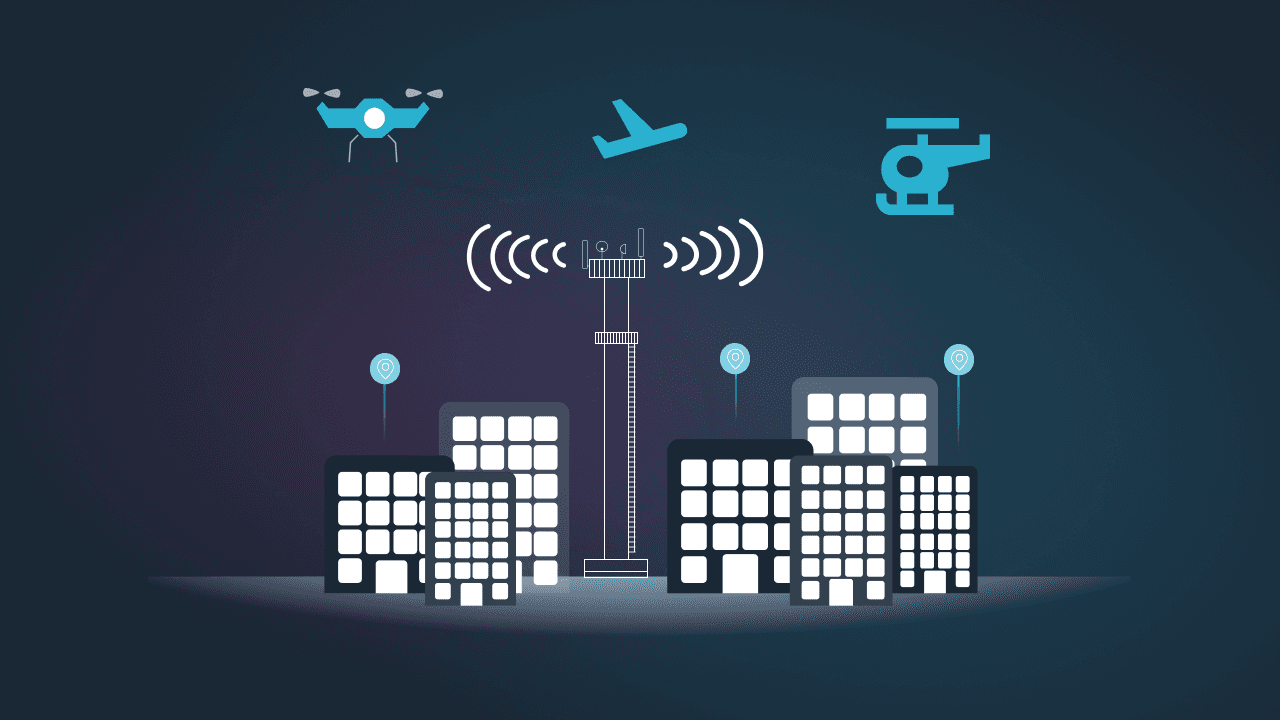
Naarmate drone-operaties opschalen, is de uitdaging niet langer om veilig geïsoleerd te vliegen. De echte uitdaging is om alles te begrijpen wat tegelijkertijd in het luchtruim gebeurt. Openbare veiligheidsinstanties, operators van kritieke infrastructuur, luchthavens, havens en veiligheidsorganisaties hebben steeds meer behoefte aan een enkel, samenhangend beeld van het luchtruim, in plaats van gefragmenteerde gegevens van losgekoppelde systemen.
Counter-UAS (C-UAS) detectiesystemen spelen een cruciale rol in dat geheel. Maar hun echte waarde komt pas naar voren wanneer ze worden begrepen als onderdeel van een breder bewustzijnsysteem voor het luchtruim dat UTM, ATM, Detect and Avoid-concepten onder SORA en elektronische conspicuïteit omvat, in plaats van als op zichzelf staande beveiligingstools.
Van Dreigingsdetectie naar Luchtruimbewustzijn
Traditioneel worden C-UAS-systemen ingezet met een smal doel: ongeautoriseerde of vijandige drones detecteren. Radar, RF-sensoren, Remote ID-ontvangers, akoestische sensoren en elektro-optische camera's worden gebruikt om onbekende luchtobjecten te identificeren en te volgen.
Op zichzelf beantwoorden deze systemen slechts één vraag:
“Is er iets hier dat er niet zou moeten zijn?”
In de praktijk van operaties is die vraag echter zelden voldoende. Operators moeten ook weten:
Is de gedetecteerde drone coöperatief of niet-coöperatief?
Is het onderdeel van een geautoriseerde UAS-missie?
Is er bemand luchtverkeer in de buurt?
Is het luchtruim tijdelijk beperkt?
Is dit object een veiligheidsrisico, een beveiligingsdreiging, of eenvoudigweg normaal verkeer?
Hier moeten C-UAS-detectie en de bredere informatielandschap voor het luchtruim worden verbonden.
De Rol van UTM: Weten Wat Daar Zou Moeten Zijn
Unmanned Traffic Management (UTM)-systemen bieden inzicht in geautoriseerd en coöperatief droneverkeer. Vliegplannen, operationele volumes, strategische deconflictering en operationele status worden digitaal beheerd en gedeeld met relevante belanghebbenden.
Wanneer C-UAS-detecties worden gecorreleerd met UTM-gegevens, wordt een onmiddellijke onderscheid mogelijk:
Gedetecteerd + bekend in UTM → coöperatieve, geautoriseerde operatie
Gedetecteerd + niet bekend in UTM → onbekend of potentieel ongeautoriseerd object
Deze correlatie vermindert aanzienlijk het aantal valse alarmen en stelt operators in staat om hun aandacht te richten waar het ertoe doet. Zonder UTM-context ziet elke detectie er verdacht uit. Met UTM-context krijgen detecties betekenis.
Met andere woorden, UTM biedt de intentie-laag, terwijl C-UAS de observatie-laag biedt.
ATM-integratie: Het Perspectief van het Bemand Luchtverkeer
Een realistisch luchtruimbeeld moet ook bemand luchtverkeer omvatten. Helikopters, algemeen luchtverkeer, noodhulpdiensten en commercieel verkeer opereren allemaal in hetzelfde fysieke luchtruim als drones, vooral op lage hoogte.
Air Traffic Management (ATM)-systemen beheren dit verkeer al met behulp van radar, ADS-B, Mode S en procedurele controle. Hoewel ATM-systemen niet zijn ontworpen voor drones, zijn hun gegevens essentieel voor:
het begrijpen van botsingsrisico's,
het coördineren van noodhulpverleningen,
en het voorkomen van verkeerde interpretatie van sensorgegevens.
Wanneer ATM-gegevens worden samengevoegd met C-UAS- en UTM-ingangen, kunnen operators zowel coöperatieve drones als bemande vliegtuigen in één operationeel beeld zien. Dit is vooral relevant voor openbare veiligheids- en beveiligingsorganisaties die opereren nabij helihavens, ziekenhuizen, havens en infrastructuurcorridors.
Detecteren en Vermijden in de Praktijk (SORA-perspectief)
Onder SORA is Detecteren en Vermijden (DAA) geen enkele technologie, maar een functionele eis. Operators moeten aantonen dat zij tegenstrijdige luchtruimgebruikers kunnen detecteren en passende maatregelen kunnen nemen, afhankelijk van het beoordeelde risiconiveau.
C-UAS-detectiesystemen zijn in toenemende mate relevant in deze context, vooral voor:
niet-coöperatief verkeer,
drones zonder Remote ID,
of operaties in complexe omgevingen waar niet alle luchtruimgebruikers digitaal zichtbaar zijn.
Wanneer geïntegreerd in een operationeel systeem, kunnen C-UAS-sensoren bijdragen aan de DAA-functie door:
vroege detectie van onbekend verkeer te bieden,
het ondersteunen van tactische besluitvorming,
en het activeren van mitigerende maatregelen gedefinieerd in de ConOps.
Echter, DAA is alleen geloofwaardig als detecties worden gecontextualiseerd. Ruwe sensorhits zonder luchtruimcontext voldoen niet aan de intentie van SORA. Integratie met UTM, ATM en elektronische conspicuïteit is daarom essentieel.
Elektronische Conspicuïteit: Coöperatief Verkeer Zichtbaar maken
Elektronische conspicuïteitstechnologieën, zoals Remote ID en ADS-B-achtige oplossingen voor drones, zijn ontworpen om coöperatieve luchtruimgebruikers digitaal zichtbaar te maken. Ze fungeren als een brug tussen UAS, UTM, ATM en grondgebaseerde detectiesystemen.
Vanuit een luchtruimbewustzijnsperspectief maakt elektronische conspicuïteit het mogelijk om:
gedetecteerde objecten sneller te classificeren,
ambiguïteit tussen coöperatief en niet-coöperatief verkeer te verminderen,
en de interoperabiliteit tussen civiele en beveiligingspartijen te verbeteren.
C-UAS-systemen die elektronische conspicuïteitsgegevens kunnen verwerken, worden aanzienlijk krachtiger. Ze detecteren niet langer alleen aanwezigheid; ze helpen ook bij het verklaren van identiteit, intentie en naleving.
Een Operationeel Beeld, Geen Gescheiden Systemen
De belangrijkste conclusie is dat geen enkel systeem op zichzelf een volledig luchtruimbeeld kan leveren:
C-UAS detecteert wat fysiek aanwezig is, inclusief niet-coöperatieve objecten.
UTM legt uit welke drone-operaties geautoriseerd en gepland zijn.
ATM biedt bewustzijn van bemand luchtverkeer.
Detecteren en Vermijden (SORA) bepaalt hoe deze informatie operationeel moet worden gebruikt.
Elektronische conspicuïteit verbindt coöperatieve luchtruimgebruikers met het digitale ecosysteem.
Alleen wanneer deze elementen worden gecombineerd, ontstaat er daadwerkelijk situationeel bewustzijn.
Voor operators, autoriteiten en beveiligingsorganisaties zou het doel niet moeten zijn om meer sensoren in te zetten, maar om de juiste informatielagen te verbinden in één operationeel beeld. Dat is waar veiligheidsbeslissingen sneller worden, beveiligingsreacties meer proportioneel, en luchtruimintegratie werkelijk schaalbaar.
Slotgedachte
C-UAS-detectie wordt vaak besproken in termen van dreigingsmitigatie. In de praktijk ligt de grootste waarde elders: als een cruciale bouwsteen bij het begrijpen van het luchtruim als geheel. Wanneer detectie, verkeersbeheer en operationele besluitvorming samenkomen, wordt het luchtruim niet alleen veiliger, maar ook begrijpelijk.