Stephan van Vuren
AirHub Kennisreeks: Uitleg van de Britse droneregels 2026 voor EU-operators
Begin 2026 onderging het regelgevend kader voor drones in het Verenigd Koninkrijk een van de meest significante hervormingen in de recente luchtvaarthistorie. De UK Civil Aviation Authority (CAA) implementeerde een gemoderniseerde reeks regels die ontworpen zijn om veiligheid, verantwoordelijkheid, en traceerbaarheid te verbeteren in een landschap waar drones worden gebruikt voor alles, van recreatie tot professionele operaties. Voor EU-piloten en bedrijven die van plan zijn drones in het VK te vliegen, is het belangrijk om deze veranderingen te begrijpen omdat Europese certificaten en operatornummers niet langer automatische toegang verlenen onder de Britse wet.
In deze blog zullen we de belangrijkste elementen van het nieuwe regime uiteenzetten: wat er is veranderd, wat er nodig is, en hoe operators uit het buitenland compliant vluchten in het VK kunnen garanderen onder het bijgewerkte kader.
Een Nieuw Classificatiesysteem: VK0 tot VK6
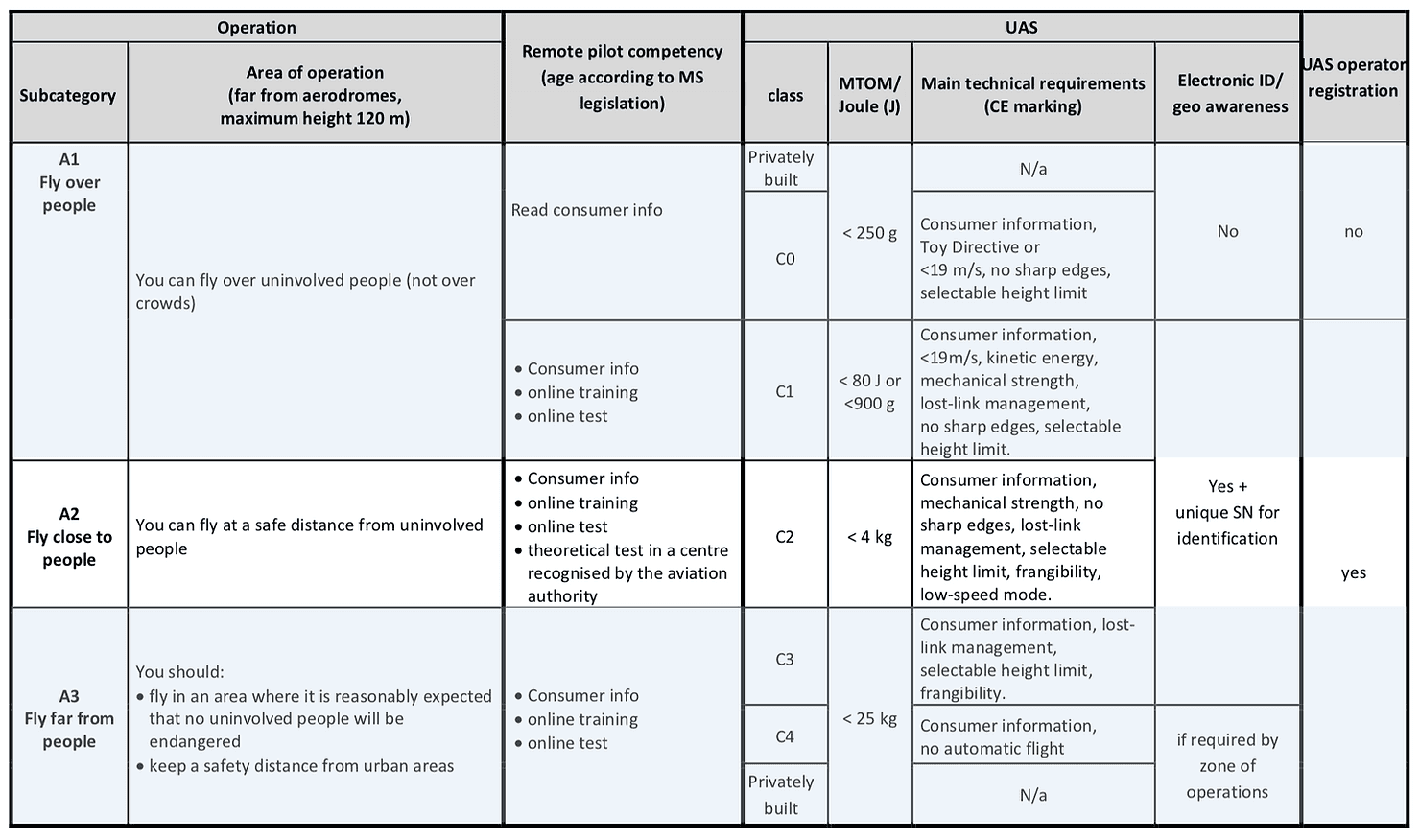
Een van de grootste structurele veranderingen is de introductie van een VK-specifiek classificeermarkeringensysteem voor drones. Vanaf 1 januari 2026 moeten alle nieuwe drones die op de Britse markt worden gebracht een VK-classificatiemerk dragen variërend van VK0 tot VK6, vergelijkbaar in intentie met de Europese C-class merken gebruikt onder EASA.
Het classificeermarkeringensysteem groepeert luchtvaartuigen volgens veiligheid en prestatiekenmerken. Bijvoorbeeld:
VK0 en VK1 dekken over het algemeen lichte, laag-risico drones.
VK2 en hoger introduceren zwaardere of krachtigere drones die aanvullende operationele implicaties hebben.
Belangrijk voor EU-operators is dat bestaande Europese C-class markeringen zullen worden erkend als equivalent aan het overeenkomstige VK-klassemerk tot 31 december 2027. Dat betekent dat een drone met een C1-markering kan worden behandeld als VK1 voor bijna twee jaar, waardoor piloten en operators tijd krijgen om over te stappen zonder directe apparatuurwijzigingen.
Na 2027 zullen drones zonder VK-classificatiemerk worden behandeld als “legacy” en zullen onder specifieke overgangsregels vallen totdat volledige naleving vereist is.
Lagere Registratiedrempels en Verplichte Flyer ID
Een andere grote verschuiving is de verandering in registratie- en competentie-eisen. Voorheen vereisten de Britse regels registratie en een Flyer ID alleen voor drones die 250 g wegen of meer. Onder het regime van 2026 is deze drempel verlaagd naar 100 g.
In praktische termen:
Iemand die van plan is een drone te vliegen die 100 g weegt of meer, moet eerst een online theorie-examen van de CAA afleggen om een Flyer ID te verkrijgen. Deze gratis test toont basiskennis van veilige en legale droneoperatie aan.
De Operator ID, die het Britse equivalent is van het EU-operatornummer, moet worden verkregen door de eigenaar of verantwoordelijk organisatie van de drone als deze een camera heeft en 100 g weegt of meer, of 250 g weegt of meer ongeacht camera-uitrusting.
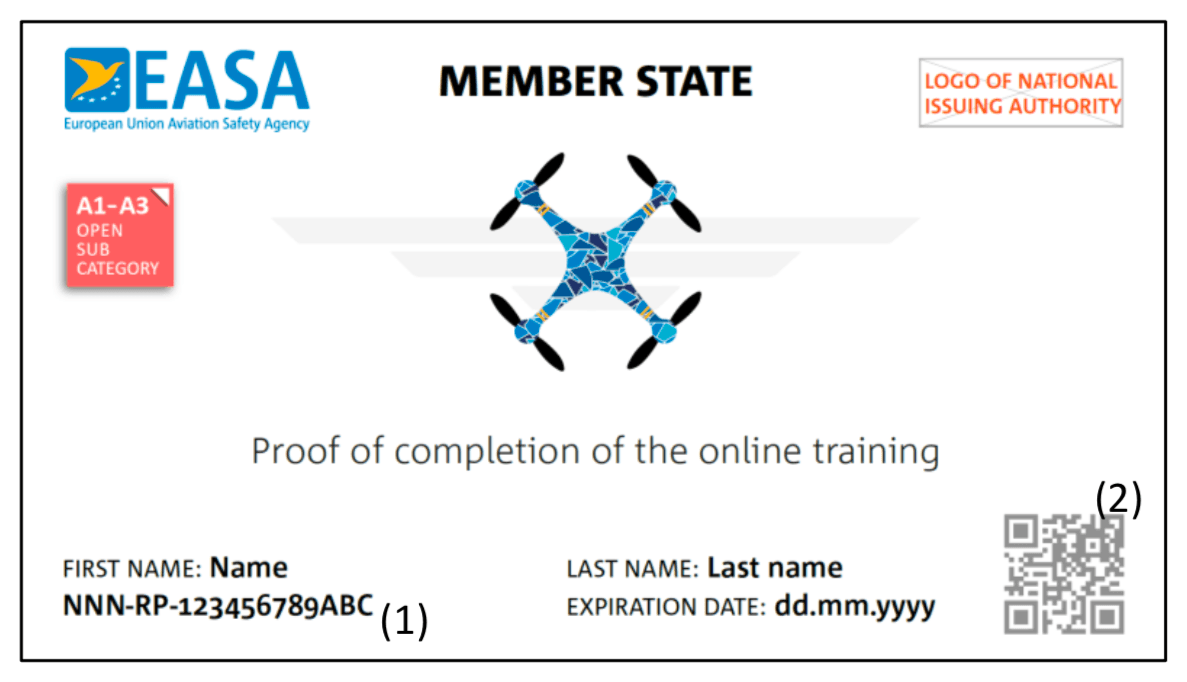
Het is belangrijk op te merken dat EU-certificaten voor afstandspiloten en operatornummers niet worden erkend in het VK. EU-houders van A1/A3 of A2 certificaten zullen nog steeds Britse Flyer ID's en Operator ID's moeten verkrijgen om legaal te vliegen.
Remote ID: Een Digitale “Kentekenplaat” in de Lucht
Remote Identification (Remote ID) is een andere hoeksteen van de nieuwe Britse regels. Net als de trends die wereldwijd worden gezien, stelt Remote ID wetshandhaving, luchtvaardiensten en andere bevoegde instanties in staat drones in realtime te identificeren en te volgen door identificatie- en positiedata te ontvangen die door de drone wordt uitgezonden.
Onder het Britse kader:
Vanaf 1 januari 2026 is Remote ID verplicht voor drones uitgerust met VK-classificatiemerken (VK1, VK2, VK3, VK5, en VK6).
Vanaf 1 januari 2028 zal de eis zich uitbreiden tot het merendeel van legacy en ongemarkeerde drones met camera's die 100 g wegen of meer, waardoor brede naleving binnen de gebruikersgemeenschap wordt gewaarborgd.
Remote ID functioneert als een digitale kentekenplaat, details zoals de identiteit en locatie van de drone uitzenden, die handhavingsinstanties kunnen gebruiken om verantwoordelijkheid en veiligheid te garanderen.
Operators worden aangemoedigd om vroeg Remote ID op te zetten, zelfs als de handhaving gefaseerd in enkele jaren wordt ingevoerd.
Leeftijd en Toezichthoudingsregels
Als erkenning van de groeiende diversiteit van dronegebruikers, omvatten de nieuwe regels specifieke bepalingen voor jonge operators. Britse piloten jonger dan 18 jaar kunnen een Flyer ID verkrijgen en zelfstandig vliegen, maar jongere kinderen (jonger dan 12) mogen alleen drones bedienen onder toezicht van iemand van 16 jaar of ouder. Ouders of voogden van kinderen die proberen het online examen af te leggen, moeten ook geregistreerd zijn en over een Operator ID beschikken.
Dit weerspiegelt de inzet van de UK CAA om veiligheid, inclusiviteit en educatie voor nieuwe piloten in balans te brengen.
Wat de Veranderingen Praktisch Betekenen
Voor EU-operators zijn de implicaties duidelijk:
U moet zich registreren bij de UK CAA en zowel een Flyer ID als een Operator ID verkrijgen om legaal in het VK te vliegen als uw luchtvaartuig en vlucht vallen onder de toepasselijke gewicht- en uitrustingscategorieën.
Europese certificaten zijn niet automatisch van toepassing in het VK, zelfs niet als u huidige A1/A3- of A2-kwalificaties bezit.
Remote ID zal onderdeel worden van de dagelijkse operaties, en operators moeten vooruit plannen voor naleving voor de volledige uitrol in 2028.
Deze veranderingen zijn ontworpen om veiligheid, verantwoordelijkheid en luchtbewustzijn te verbeteren in steeds drukkere luchtruimen, terwijl ook innovatie en integratie met opkomende diensten worden bevorderd.
AirHub Perspectief: Ondersteuning van Grensoverschrijdende Naleving
Vanuit een operationeel en regelgevend standpunt benadrukt het navigeren door verschillende regimes in Europa en het VK het belang van nalevingstools en deskundige ondersteuning.
Bij AirHub helpen we operators:
Regulatory verschillen tussen EU- en UK-kaders monitoren
Operaties plannen die voldoen aan zowel EASA- als UK CAA-eisen
Beheer kwalificaties van piloten en registraties, inclusief het bijhouden van Flyer ID en Operator ID
Remote ID en andere veiligheidsvereisten integreren in vluchtplanning en uitvoering
Of u nu vliegt voor zakelijke missies, inspecties, openbare veiligheidstaken, of recreatief, onze software en adviesdiensten maken het gemakkelijker om aan meerdere jurisdicties te voldoen - zonder giswerk.
Laatste Gedachte
De Britse droneregels van 2026 zijn een historisch moment in de onbemande luchtvaart, markeren een verschuiving naar verbeterde identificatie, verantwoordelijkheid en veiligheid voor alle gebruikers. EU-operators moeten nota nemen en vroeg handelen om ervoor te zorgen dat ze legaal in het Britse luchtruim vliegen.
Als u van plan bent grensoverschrijdende operaties te ondernemen of hulp nodig heeft bij het afstemmen van uw vloot op nieuwe Britse en EU-vereisten, staat het AirHub team klaar om te helpen.