As Drone Hizmetleri we support many sectors, including those of agriculture, security, construction, education, and consulting. Our goal in Turkey is to offer solutions to companies in order to provide the most innovative and up-to-date drone solutions. We continuously strive to create opportunities in new sectors or in the formation of conceptual projects.
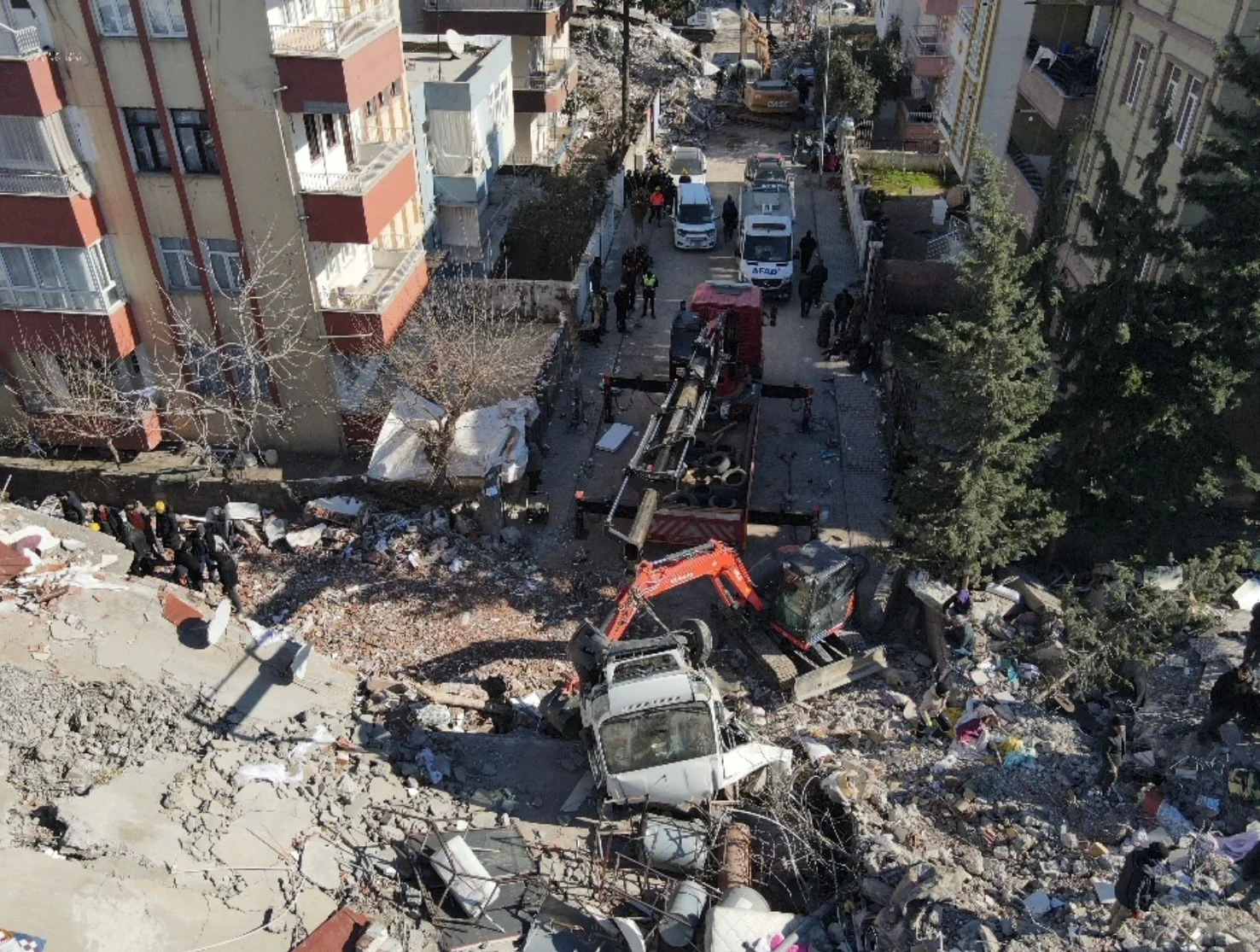
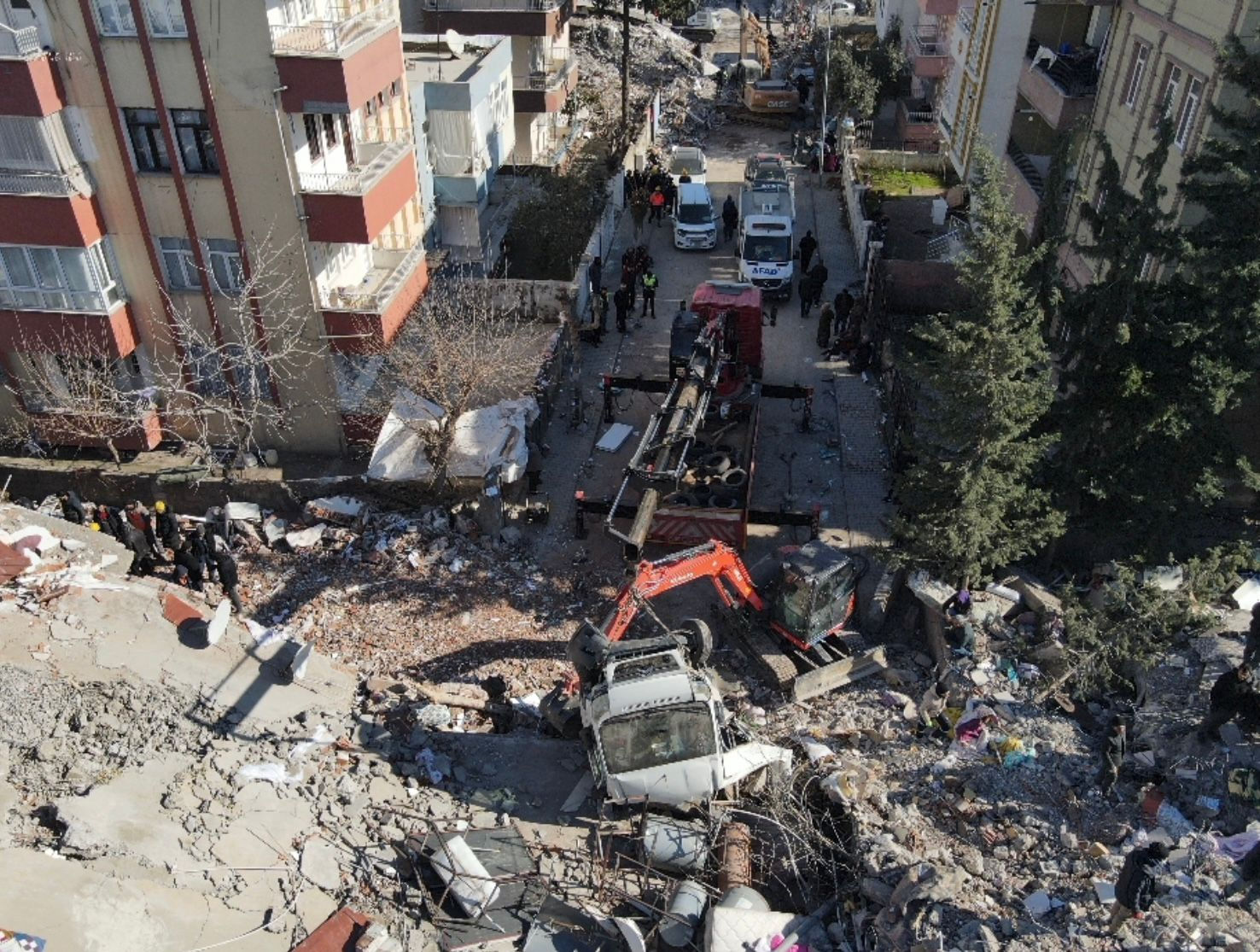
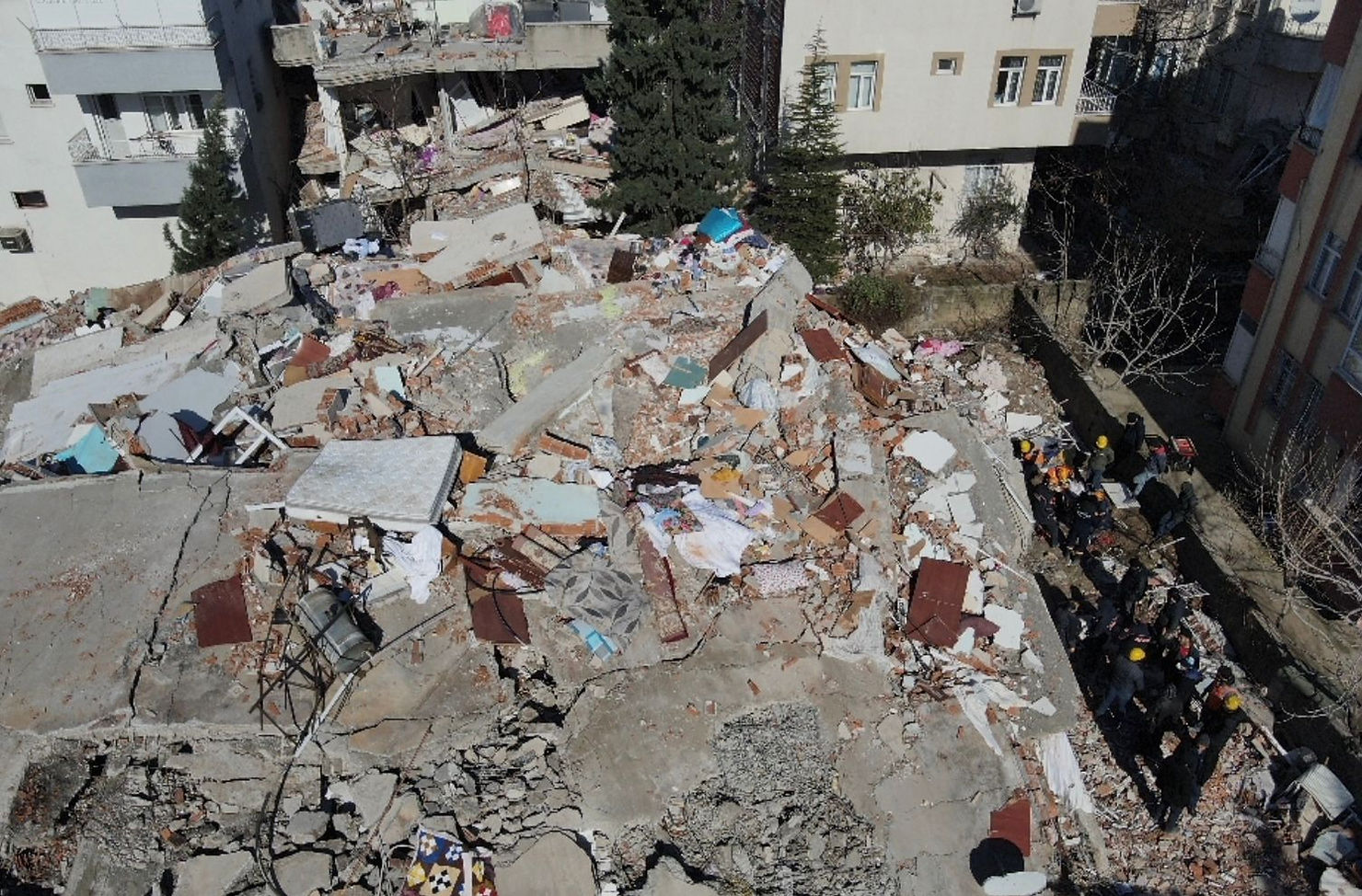
The devastation of the 7.8-magnitude earthquake that occurred in southern and central Turkey on February 6, 2023, and its barrage of strong aftershocks, saw a Turkish government-led response through coordination by AFAD (Turkey’s Disaster and Emergency Management) and the Turkish Red Crescent. State authorities declared a level-4 emergency, leading to a call for international assistance. The Turkish President declared a three-month state of emergency in 10 of the country’s provinces, which resulted in the flocking of organised search and rescue teams, as well as a multitude of individual volunteers willing to help. We, as Drone Services, were in the field as well with our experienced operators and a DJI Mavic Enterprise Dual 2 drone, mounted with a thermal camera, in order to facilitate the task of finding people buried under rubble. Below, the further efficiency in this task is elaborated.
Abstract
Drone use has revolutionised the way in which natural disasters are handled. In particular, the drone industry has had a significant impact on the workflow in earthquake areas. This paper examines the benefits and challenges of using drones in earthquake areas, including their ability to capture high-resolution imagery, deliver medical supplies and rescue materials, and provide real-time data on the extent of damage caused by earthquakes. We also discuss the challenges that arise with the use of drones in earthquake areas, including privacy concerns, air traffic regulations, and limited battery life. Finally, we suggest some ways in which the drone industry can continue to improve the workflow in earthquake areas.
Introduction
Earthquakes are one of the most devastating natural disasters that can occur. They cause immense destruction, resulting in loss of life, property, and infrastructure. Over the years, the drone industry has become an essential tool for emergency responders, providing them with valuable information and assistance during natural disasters. The use of drones has significantly impacted the workflow in earthquake areas. This paper explores the benefits and challenges of using drones in earthquake areas and how they have transformed the workflow.
Benefits of Using Drones in Earthquake Areas
The use of drones in earthquake areas has several benefits. Firstly, drones can capture high-resolution imagery of damaged buildings and infrastructure, providing emergency responders with a detailed assessment of the situation on the ground. This information can be used to prioritise rescue and relief efforts and to allocate resources effectively.
Secondly, drones can be used to deliver medical supplies, rescue equipment, and other essential materials to affected areas quickly. This is particularly important in situations where access to the affected area is limited or where it may be dangerous for human responders to enter.
Finally, drones can provide real-time data on the extent of damage caused by earthquakes, helping emergency responders to make informed decisions about how to allocate resources and respond to the disaster.
Benefits of Using Thermal Imaging Drones in Earthquake Areas
The use of thermal imaging drones has several benefits in earthquake areas. Firstly, thermal imaging technology allows emergency responders to locate survivors who may be trapped in collapsed buildings or other dangerous areas. The drones can quickly scan large areas and identify heat signatures, helping rescuers to prioritise their efforts and focus on areas where there is a high likelihood of finding survivors.
Secondly, thermal imaging drones can identify areas of high temperature, which may indicate a fire or other potential hazards in the aftermath of an earthquake. This information can be used to develop strategies to mitigate these hazards and prevent further damage or loss of life.
Finally, thermal imaging drones can operate at night or in low-light conditions, providing continuous monitoring of the affected area. This can be particularly useful in situations where rescue efforts need to continue around the clock, ensuring that no survivors are overlooked.
Challenges of Using Drones in Earthquake Areas
Despite their many benefits, the use of drones in earthquake areas also poses several challenges. Firstly, privacy concerns may arise when drones are used to capture images of affected areas. It is essential to ensure that the privacy of individuals is respected and that any data collected is used only for emergency response purposes.
Secondly, air traffic regulations may limit the use of drones in earthquake areas. In some cases, airspace may be closed to drones, preventing emergency responders from using them to assess damage or deliver essential supplies.
Finally, limited battery life may pose a challenge when using drones in earthquake areas. In some cases, it may be challenging to recharge or replace drone batteries, limiting their usefulness in prolonged emergency response operations.
Challenges of Using Thermal Imaging Drones in Earthquake Areas
Despite the many benefits of using thermal imaging drones in earthquake areas, there are also some challenges to their use. Firstly, the technology requires skilled operators who are trained in interpreting thermal images. This can be a challenge in situations where emergency responders may be overstretched or have limited experience with drone technology.
Secondly, thermal imaging drones are limited by their battery life, which may be affected by the temperature of the environment in which they are operating. This can make it challenging to keep drones in operation for extended periods, particularly in hot or cold conditions
Finally, privacy concerns may arise when using thermal imaging drones, particularly if they capture images of individuals who are not involved in the emergency response effort. It is essential to ensure that any data collected is used only for emergency response purposes and that the privacy of individuals is respected.
Conclusion
The use of drones has significantly impacted the workflow in earthquake areas, providing emergency responders with valuable information and assistance with the addition of thermal imaging. However, the use of drones in these areas also poses several challenges, including privacy concerns, air traffic regulations, limited battery life, and coming short of skilled operators. However, as we all know, the benefits of drones with and without thermal imaging outweigh these challenges. It is essential for the drone industry to continue to work towards addressing these challenges to ensure that drones remain a useful tool for emergency responders in earthquake areas.