With the entry into force of the U-space regulation last month, a big step has been taken in the rapidly developing drone industry. But is U-space the one-size-fits-all solution that this industry needs? For me, the short-term answer is "No." There are still many challenges that need to be addressed before we can deploy drones at scale and reap the associated economic and social benefits. Let me highlight a few.
1. Harmonised regulations
With the introduction of the European Aviation Safety Agency (EASA) regulations for Unmanned Aircraft Systems (UAS) on December 31, 2020, the aim was to harmonise drone regulations across the European Union and make it easier for companies to incorporate drones into their workflows. And although I am a big fan of the EASA regulations, these goals have not been achieved yet.
The EASA framework has divided UAS operations into the Open, Specific, and Certified Categories. This division provides a good approach, where low-risk operations are in the Open Category with clear rules and limitations and high-risk operations are in the Certified Category, with regulations similar to those for manned aircraft and clear requirements and limitations. The issue lies with the Specific Category, where UAS operations with the greatest expected social and economic benefits take place.
The Specific Operations Risk Assessment (SORA) was introduced within this category to assess the risk of a certain type of operation and determine the requirements for pilots, aircrafts, and organizations to perform safe operations. Although SORA is a great tool, it is complicated for companies without experience in the aviation industry or other high-risk industries to use, and it is still under development, with many standards and recommended practices missing.
The lack of these standards and recommended practices results in a broad range of interpretations among European Civil Aviation Authorities (CAAs). This starts with the required content of the Concept of Operations (ConOps) and extends to the interpretation of the Ground Risk Class (a harbour in Belgium is considered a populated area, while in the Netherlands it is sparsely populated), the classification of the Air Risk Class (what constitutes Atypical Airspace?), the necessary mitigations to reduce the ARC for BVLOS (beyond visual line-of-sight) operations, and the requirements for containment to prevent drones from entering adjacent airspace or ground areas.
These gray areas make it difficult for UAS operators to apply SORA ''correctly'' and for CAAs to approve operations in a uniform and efficient manner, leading to long processing times for Operational Authorisations. This issue also affects the process of obtaining cross-border authorisations. The goal of the EASA regulations was to create an equal playing field for drone operations in Europe, allowing operators to easily perform their operations in all Member States. However, this is not the reality, as UAS operators applying for cross-border authorization encounter the same issues with interpretation differences among CAAs, resulting in delayed or cancelled operations due to high costs (i.e.,it is cheaper to hire a "local guy").
2. Licenses and certificates
The adoption of drone technology across industries, from first responders to large enterprises in oil and gas, construction, and utilities, has been impressive. Organisations often begin with a small proof of concept and then quickly scale up their drone teams, exploring the possibilities for more sophisticated drone operations in urban areas and over long distances. To carry out these operations, organisations will require highly skilled and experienced drone pilots. However, it can be difficult to ensure that you hire a competent drone pilot. In manned aviation, there is a clear system in place with approved training organisations that educate pilots for various types of flight operations, from recreational single-engine flights to airline operations. These pilots undergo standardised exams for their basic licenses and specific aircraft and operation ratings.
In the Specific Category, this system is still lacking. It is challenging for pilots to showcase their qualifications and experience, especially with the wide range of Specific Assurance and Integrity Levels (SAIL), Standard Scenarios (STS), and Pre-Defined Risk Assessments (PDRA). It is difficult to determine the type and content of education and training required, the skill level needed to pass exams (if they exist), and to obtain a European-wide recognised license with the correct ratings.
A similar situation exists with the airworthiness requirements for drones that can be operated within the Specific Category. Operations in the lower risk categories (SAIL I and II) only require the operator to declare the airworthiness of the drone, while operations in the medium risk categories (SAIL III and IV) require a Design Verification Report (DVR) from EASA.
A DVR requirement is not a bad idea, especially for operations that could be conducted within these SAIL levels. However, many standards and acceptable means of compliance are still missing or unattainable for drone operators. Obtaining a DVR requires a large amount of data and information about the aircraft's design and fabrication, ground control station, and operating systems and services, which is often not available from the manufacturer. Additionally, the process of obtaining a DVR from EASA is lengthy and expensive.
Moreover, a DVR is only applicable for one type of operation (ConOps), making it unattractive, especially for small manufacturers, to start the process of obtaining a DVR for their aircraft. Currently, the largest drone manufacturer does not have any drones for which a DVR has been issued, making it impossible for UAS operators to obtain the required data and information or perform the large amount of necessary flight tests, and thus making it impossible for them to carry out more complex operations.
3. Business case
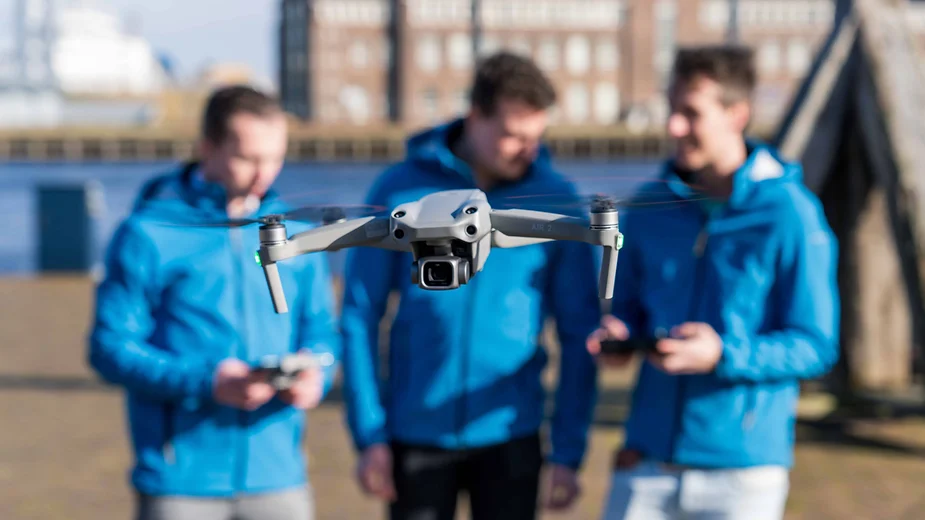
As mentioned, the introduction of U-space will be a big step towards enabling the safe and efficient integration of large amounts of drone flights within our lower airspace. However, for today's operations, mainly performed manually and within the visual line of sight (VLOS) of at least one remote pilot and often an additional observer or observers, U-space will not be a necessity. If we "want" large amounts of drone flights to become a reality, this must make sense from an economic and social perspective.
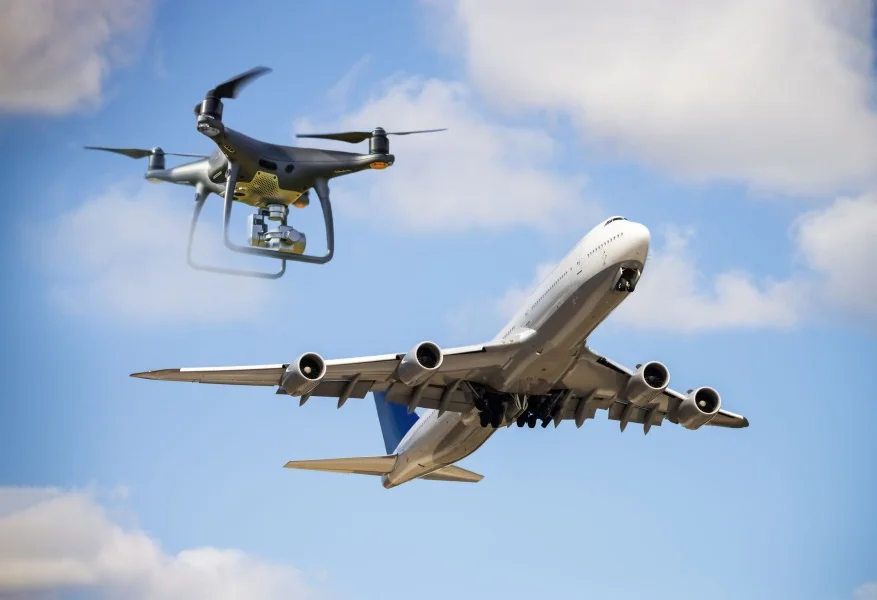
To achieve this, we will need - at least - a few things: BVLOS operations, automation of flight operations, and automation of data processing. In any business, scale is often required to increase efficiency, and the same is true for the drone industry. Today's operations are mostly conducted within the VLOS of the remote pilot, as BVLOS is not yet allowed in many countries without closing the airspace in which the drone operates. I have to admit that this makes sense as long as there is no requirement for manned and unmanned aircraft to transmit their positions to each other and the standards for the technology required to do this are still missing. Fortunately, we are seeing a lot of progress in this area, both from a regulatory and technological perspective, so hopefully this problem will be solved in the coming years.
However, simply seeing each other is not enough; advanced technology must be developed to avoid collisions tactically, especially when performing operations without a direct command and control link between the aircraft and the ground station, such as over 4G/5G or satellite links. This form of automation will allow the pilot to have a more monitoring role instead of actively piloting the aircraft. As the pilot is gradually taken out of the loop, eventually, one pilot will be able to operate multiple drones at the same time. This combination of doing more with fewer people and being able to cover larger distances will increase the chances of having a positive business case for many complex operations, including the much-hyped "last mile" delivery by drones.
Flying drones highly automated and BVLOS is one thing, but being able to quickly turn the gathered data into actionable data is another. Processing drone data today still often requires a highly manual process of getting the data from the drone to a computer, uploading it to a (cloud) platform, and processing it into a final product. Internet-connected drones, combined with increasing computing power and artificial intelligence, will optimize this process in the years to come and will be essential for most organisations to have a positive business case.
4. Social embracement
So, let's say all the regulatory and technological obstacles that would allow for growth have been overcome and the business cases turn out to be positive. In this scenario, we would see a substantial increase in the use of drones in lower airspace, not just in rural areas but also in cities. Those in the drone industry wouldn't have much trouble with this, but the general public's opinion of drones is not (yet) positive, as shown by a lot of research.
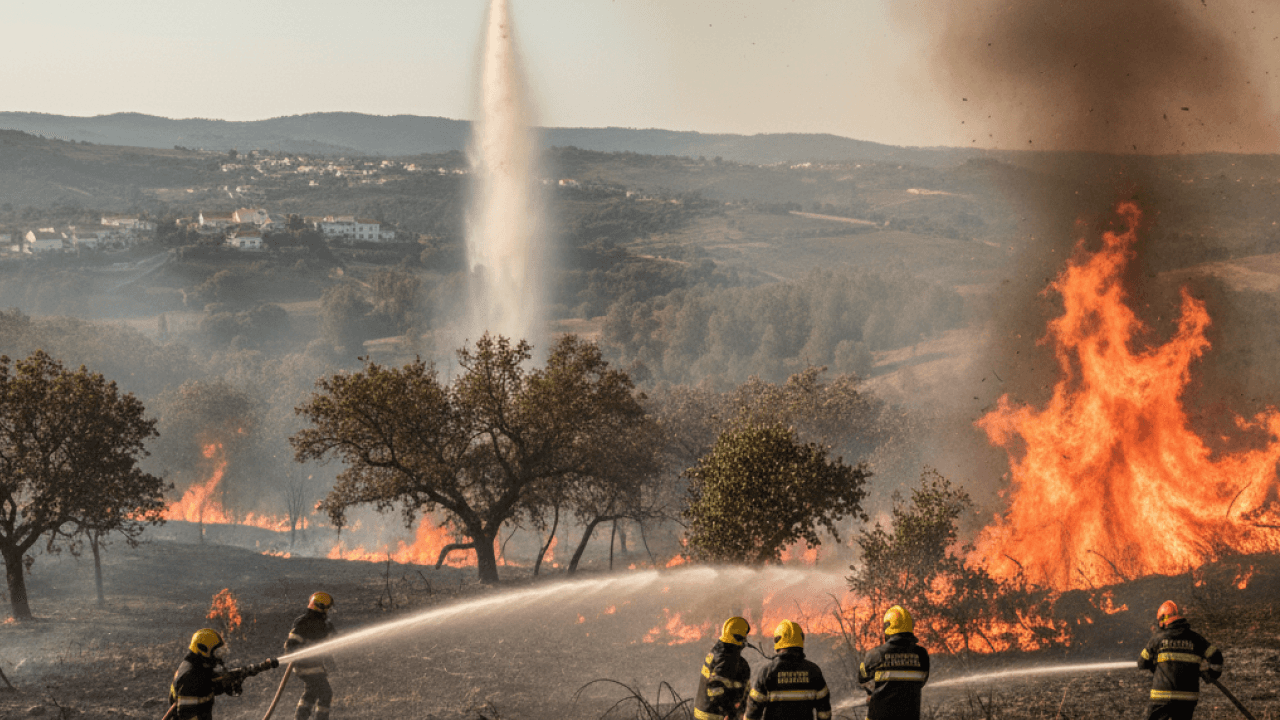
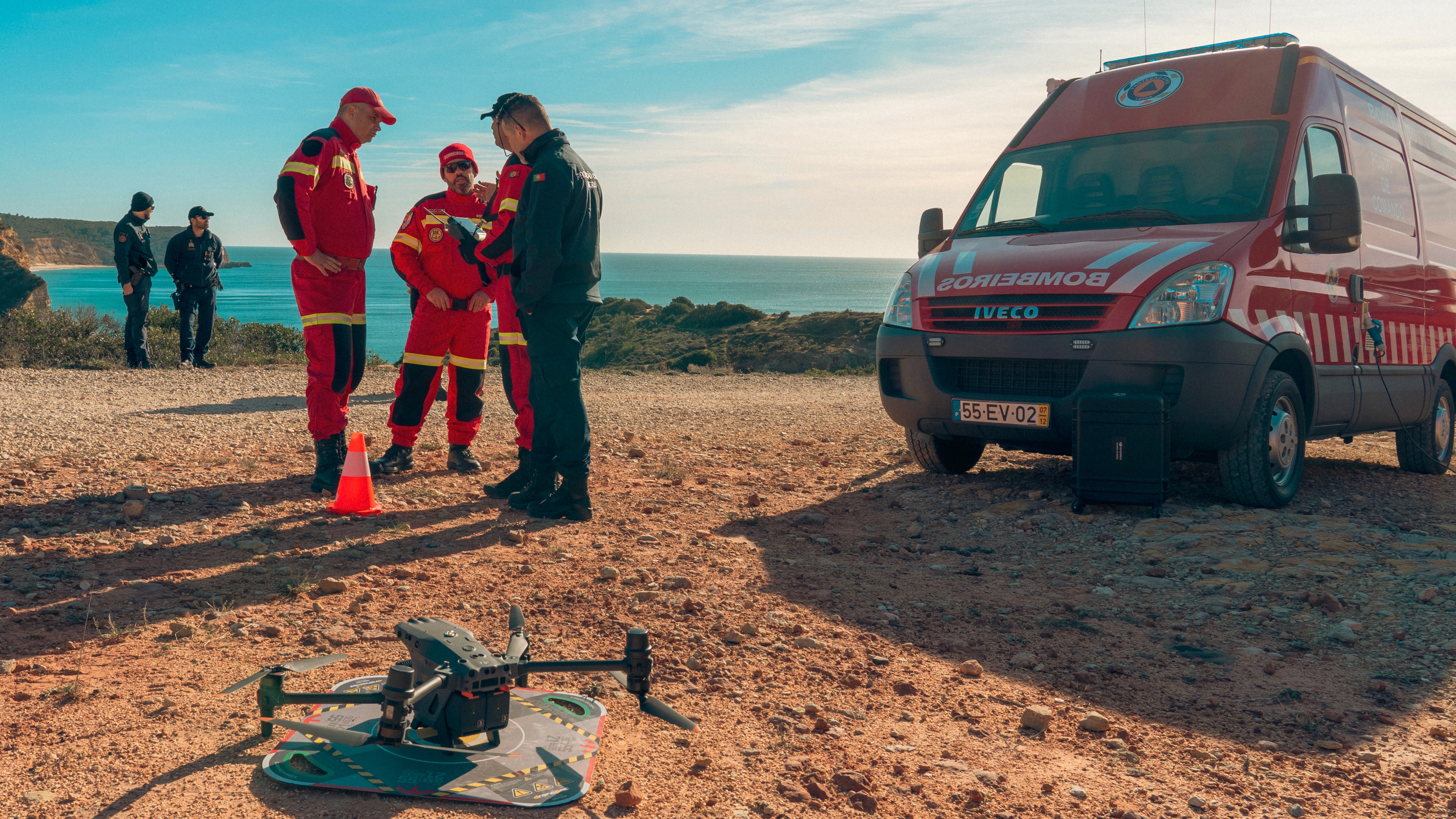
This presents a big challenge for our industry, as we need to demonstrate the value of drones not just to a few, but to society as a whole, while minimising the downsides, such as noise and visual pollution. For example, many people are unaware of how drones are used by first responders, such as fire departments and police, to assist in firefighting, crime prevention, search and rescue operations, and maintenance of infrastructure, to name a few. It is up to us in the industry and users of this technology to educate the public about these benefits and change the negative perception that people have of drones.
However, simply showcasing the value of drones is not enough. We must also consider how to integrate drones into our society in a way that balances social and economic benefits. This could involve restricting drones to certain areas or routes within cities, limiting the number of drones allowed, or setting technical requirements, such as limits on decibel emissions. Just like with manned aviation, this will require a combination of technological advancements and the development of the right procedures.
Conclusion
After reading my thoughts above, you might think that I'm pessimistic about the future of the drone industry, but it's quite the opposite. Innovation always takes more time than initially anticipated, especially in a heavily regulated environment like aviation. The pace at which the regulatory frameworks for UAS operations and U-space have been established by EASA (and therefore the EU Member States) is remarkable. Of course, a lot of standards are still missing, and the industry cannot yet reach its full potential, but this is just a matter of a few years. Years that the industry also needs to develop new and improved technology, such as battery technology and quieter rotor designs, and to refine business cases, such as drone delivery and U-space. So, I'm actually very optimistic that the future of the drone industry is bright and that we as a society will greatly benefit from unmanned aviation technology.