•

Nerissa Goedhart
Choosing drone operations software: 7 things to check first

Choosing drone operations software is rarely a single decision. It is closer to picking infrastructure: the platform you choose today will shape which drones you can buy next year, which systems you can connect to, and how much manual admin your team carries.
Most comparisons focus on features. Features change every quarter. The things below tend not to, and they are the ones that are hardest to reverse once you have committed.
1. Where your data actually lives
Flight logs, live video and telemetry are operational data, and increasingly, personal data too. Ask where it is hosted, which legal jurisdiction that falls under, and whether the vendor can move it if your requirements change. A platform hosted outside the EU may still be usable, but you should know that going in, not find out during an audit. This is the kind of requirement that public safety and critical infrastructure organisations increasingly treat as non-negotiable during procurement, rather than something to accept on trust, which is worth reading more about in our piece on where European drone software is actually built.
2. Whether you are locked into one drone brand
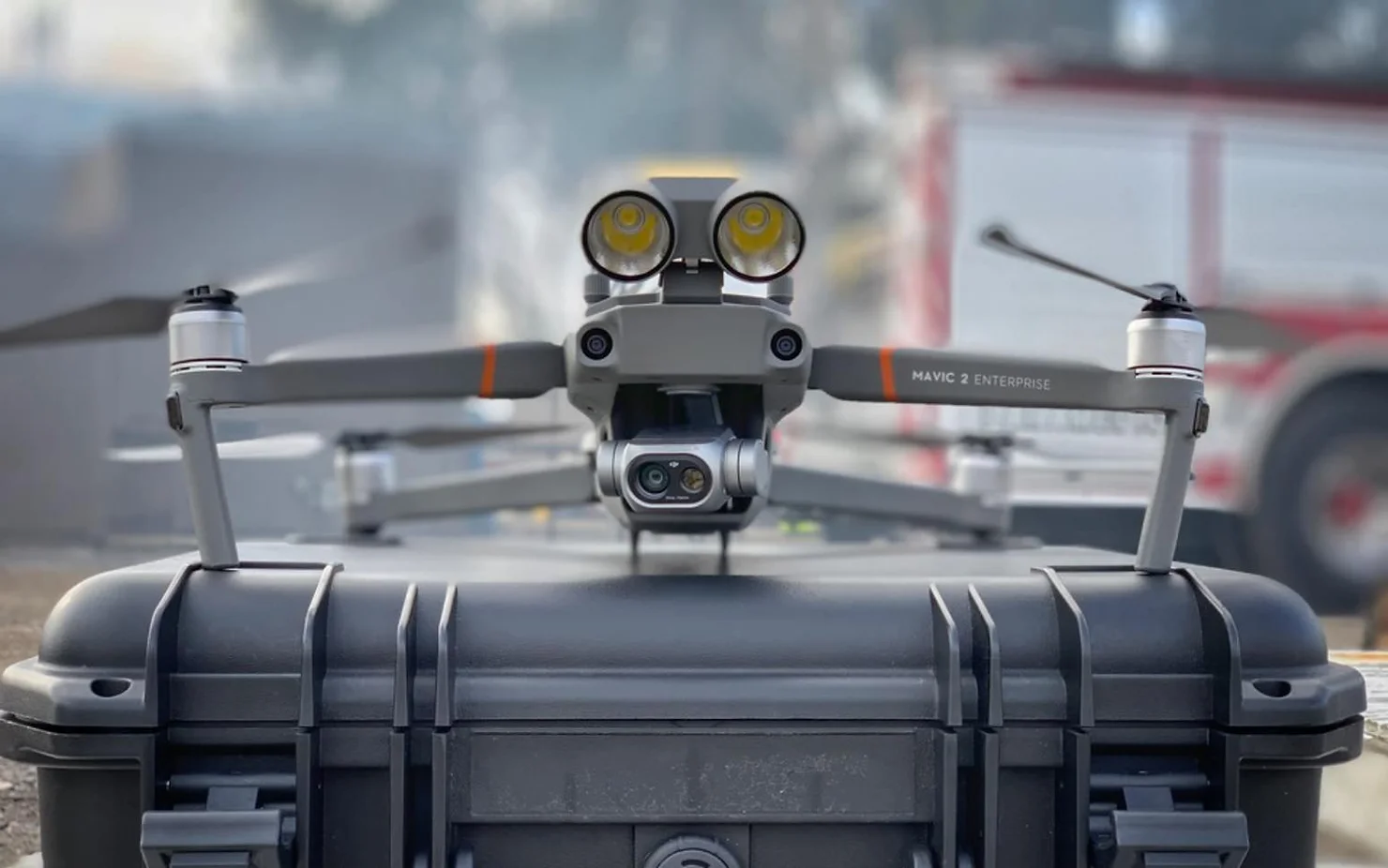
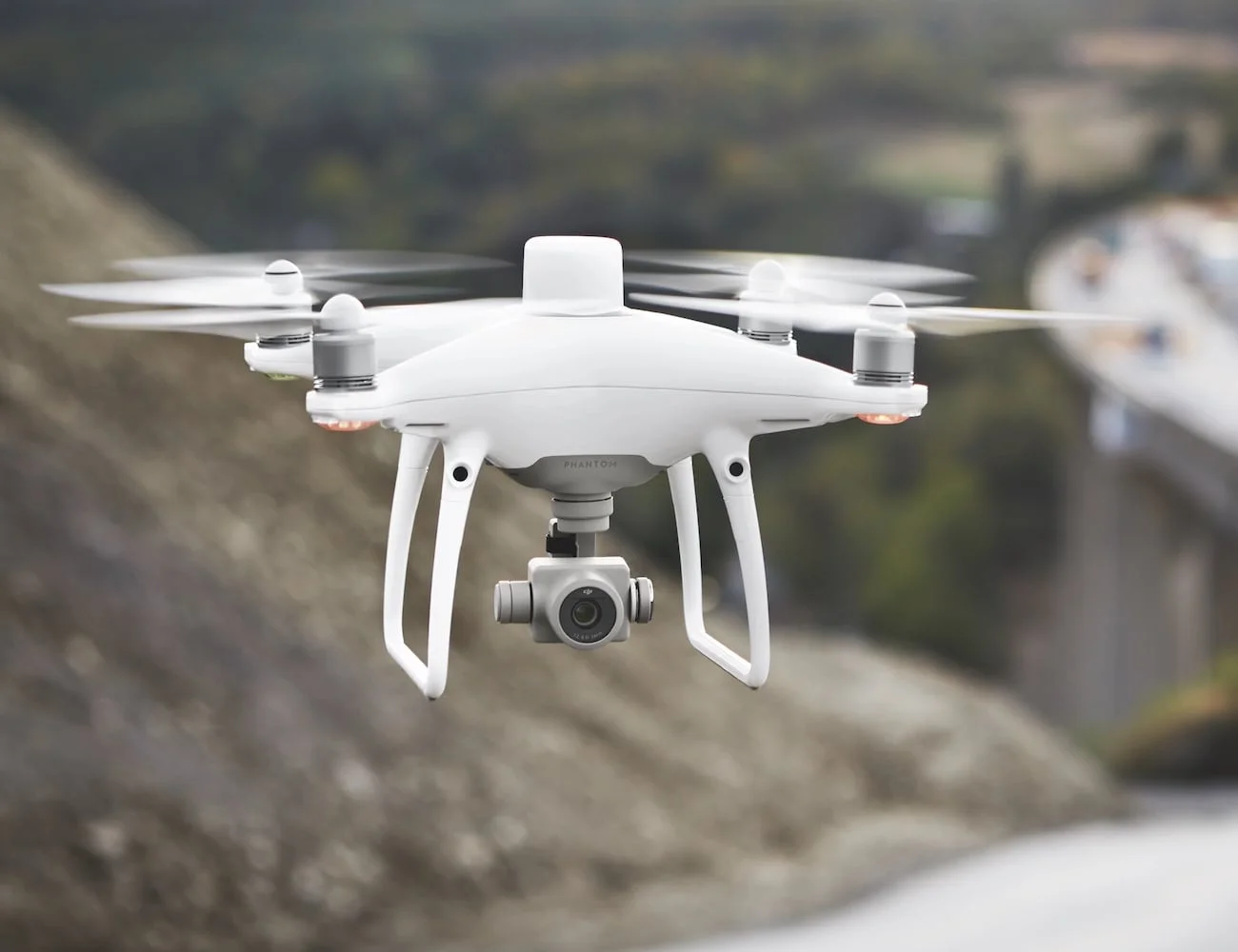
Some platforms are built around a single manufacturer's ecosystem. That can work well if you never plan to diversify your fleet. It becomes a problem the moment you want to add a different drone type, a different dock, or a piece of hardware your current vendor does not support. Ask what happens, practically, if you buy a drone from a different brand next year. Dubai Police's Drone as First Responder network, for example, runs a hybrid fleet across DJI, Skydio and Airobotics hardware through AirHub's fleet management, managed from one interface rather than several separate systems.
3. How it fits with the systems you already run
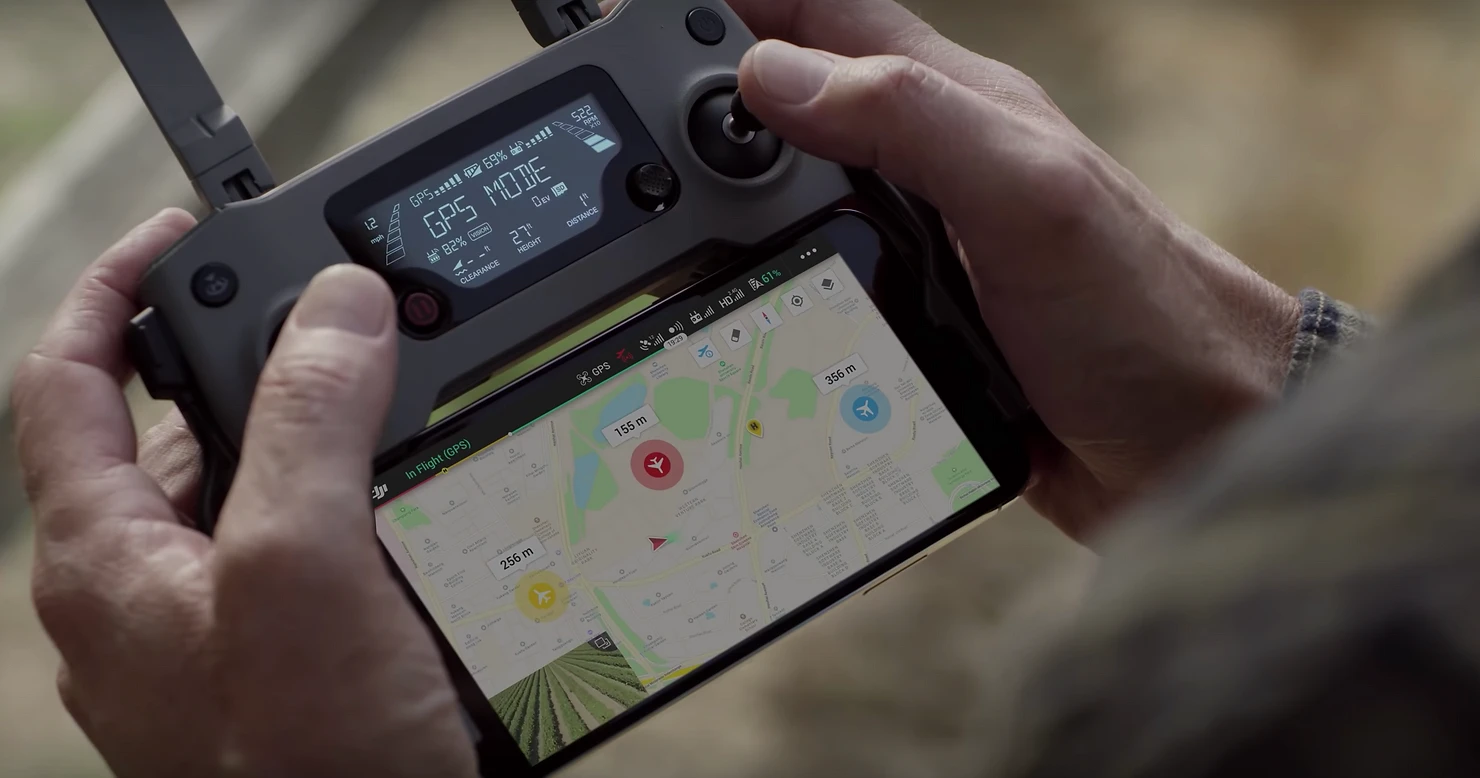
Drone operations software rarely stands alone. It usually needs to talk to a video management system, a CAD or dispatch platform, or a GIS tool your team already relies on. Ask for a real example of an integration that is live today, not a roadmap item, and ask how much custom development it took to get there. In Dubai, this is what triggers the entire response: an emergency call in the CAD system automatically launches the nearest drone through AirHub's integration, before an officer even picks up the radio. On live operations, video also flows directly into the VMS systems agencies already run, rather than needing a separate viewer.
4. Whether compliance is built in or bolted on
Regulatory requirements, whether EASA's specific category rules in Europe or another framework elsewhere, should shape how the software works, not sit as an add-on report generated after the fact. Ask how the platform handles pilot currency, risk assessments and audit trails day to day, not just what it can export when a regulator asks. EASA's SORA 2.5 update earlier this year is a reasonable real-world test of this: ask a vendor how their platform actually changed when the rules did, rather than only whether it complied with the version that existed when you signed. We broke down what changed for operators in our SORA 2.5 piece, if you want the detail.
5. What happens if you want to scale
A platform that works well for five pilots and two drones does not always work for five hundred pilots across multiple regions. Ask how the vendor's largest customers use the platform today, and what changes operationally between a small deployment and a national one. Bombeiros Portugal runs more than 700 pilots across regions and agencies through AirHub, with pilot certifications and maintenance records staying current across hundreds of decentralised teams rather than sitting in separate local systems. You can read how that's structured in the Bombeiros Portugal case study.
6. Who can access your live video and telemetry
During an incident, live video often needs to reach people beyond the pilot: a control room, a partner agency, or a command vehicle. Ask how access is controlled, whether permissions can be set per role or per mission, and what happens to that footage after the mission ends. Dubai Police runs more than 25 operators coordinating missions simultaneously through AirHub's Drone Operations Center, each seeing what their role needs and nothing more, rather than one shared, unfiltered feed.
7. What deployment options exist beyond the cloud
Most vendors default to a shared cloud environment, which is fine for many organisations. Some cannot use it at all, for data protection or security reasons. Ask whether on-premise or private cloud deployment is genuinely available, or only theoretical. Dubai Police, for instance, runs AirHub as an on-premise, ISO 27001 compliant deployment with encrypted 5G communication, precisely because a shared cloud environment did not meet their data sovereignty requirements. Both on-premise and cloud deployment are documented options, not a custom project quoted separately.
Where to take this next
This article is about knowing which of these seven points matter most for your organisation before a vendor starts talking about theirs.
We have used AirHub throughout to illustrate what a real answer to each point can look like, because these are the questions our own customers asked us before they signed. Dubai Police tested points 2, 3, 6 and 7 directly during procurement: a hybrid DJI, Skydio and Airobotics fleet, CAD-triggered automated launches, role-based access for 25-plus simultaneous operators, and an on-premise, ISO 27001 deployment with encrypted 5G, because a shared cloud did not meet their requirements.
Bombeiros Portugal tested point 5 at national scale, with more than 700 pilots across regions and agencies staying compliant and current through one system rather than hundreds of local ones. Both are covered in more depth in the Dubai Police and Bombeiros Portugal case studies, and the full detail on data residency and security sits on our trust centre.
If you want to work through this checklist against your own operation, book a demo with one of our team.