•

Stephan van Vuren
From VFR to BVLOS: Why drone pilot training is entering an aviation era

In this article, AirHub CEO Stephan van Vuren, shares his journey from manual flying to the new era of drone operations.
I started flying in a single-engine piston aircraft under Visual Flight Rules (VFR). I flew a single-engine piston plane where navigation meant looking out the window and separation was just a matter of keeping my eyes peeled. Everything was immediate and driven by instinct. Years later, I transitioned to the Airbus A320, flying multi-engine jet aircraft under Instrument Flight Rules (IFR). The world changed. Flying became less about looking outside and more about managing systems, interpreting instruments, integrating with air traffic control, and understanding automation.
It was a massive leap, but the hardest part wasn't learning the tech. It was unlearning the pilot I used to be.
Today, I see the same transition happening in the drone industry.
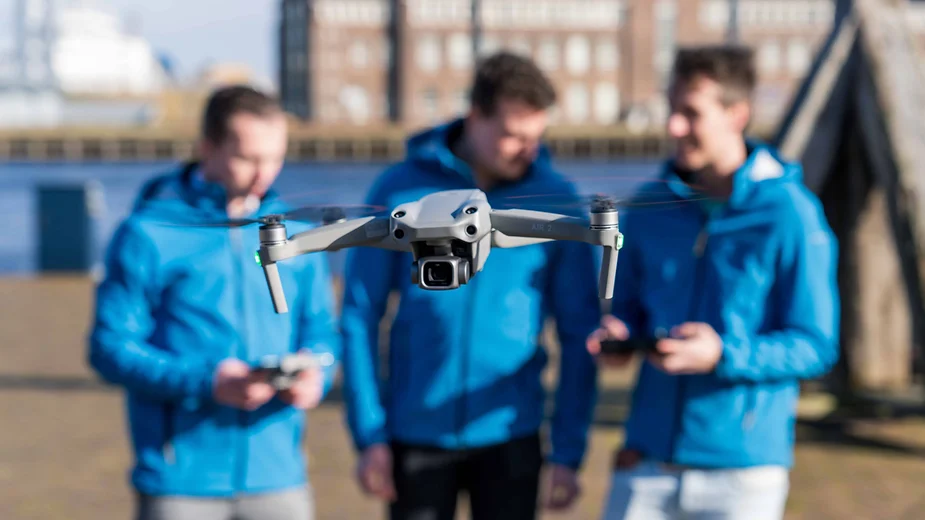
For many years, drone operations resembled VFR flying. Most missions were conducted within visual line of sight. The pilot stood nearby, maintained direct visual contact, and manually controlled the aircraft. Situational awareness was primarily visual. The aircraft was close. The environment was relatively simple. Training reflected that reality, focusing on basic airspace knowledge, meteorology, and safe handling of the platform.
But drone operations are no longer confined to that model.
As drones become embedded in public safety, security, and critical infrastructure operations, the complexity of missions has increased dramatically. Police forces deploy Drones as First Responders through Drone-in-a-Box systems. Infrastructure operators conduct long-range inspections of rail or energy assets. Ports and industrial sites integrate drones into continuous monitoring strategies. These missions are often time-sensitive, dynamic, and operationally critical.
In this environment, flying visually is no longer sufficient.
The equivalent of IFR in the drone world is Beyond Visual Line of Sight operations (BVLOS). Just as IFR pilots rely primarily on instruments and structured procedures rather than outside visual reference, BVLOS drone pilots depend on telemetry, automated flight paths, airspace data, and integrated systems. The aircraft may be kilometres away. Direct visual oversight is absent. Automation plays a central role. Regulatory risk mitigation is embedded in SORA assessments and operational authorisations.
Operating at this range places a much higher demand on the pilot's cognitive capacity.
One common assumption is that automation reduces workload. In reality, it shifts it. In an Airbus cockpit, automation does not remove responsibility. It requires constant monitoring, cross-checking, and anticipation. The pilot becomes a systems manager rather than a pure stick-and-rudder operator.
The same is increasingly true for drone pilots operating in complex environments. While the aircraft may be flying an automated route, the pilot must process multiple streams of information simultaneously. Telemetry and health data need to be monitored. Airspace updates must be interpreted. Detection systems may generate alerts that require contextual assessment. Weather conditions can shift. Coordination with ground teams or command structures may be ongoing.
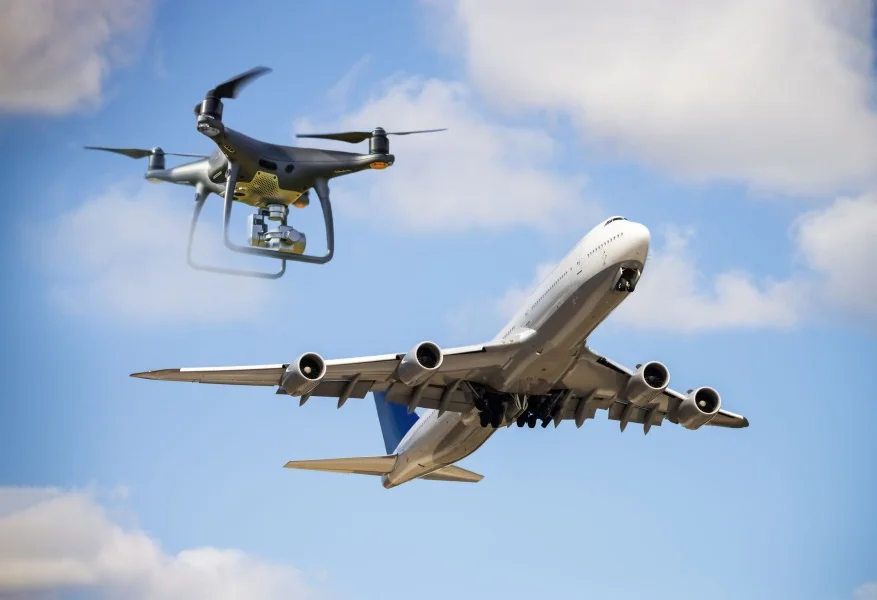
In ad-hoc public safety missions, the pressure is even greater. A drone may need to be launched within seconds. The environment may be congested. Manned aviation may be operating nearby. Live video feeds must be interpreted while maintaining safe separation and regulatory compliance. Decisions must be made quickly, often with incomplete information.
These operations go well beyond simple VLOS flying and require the structured discipline of instrument-based aviation.
As a result, pilot training must evolve. Regulatory certificates alone are not enough for organisations operating at scale. Complex operations require structured procedures, scenario-based training, clear escalation frameworks, and a culture of standardisation. Crew resource management principles, long embedded in manned aviation, become relevant in drone teams as well. The pilot is part of a broader operational system and not an isolated operator.
The drone industry is, in many ways, growing up. It is moving from pioneering experimentation to mature operational integration. Just as manned aviation developed layers of safety built on training, procedures, reporting, and system design, advanced drone operations now demand the same discipline.
At AirHub, we approach drone operations with this aviation mindset. Our platform is designed not only to manage aircraft, but to support structured mission planning, airspace integration, compliance monitoring, and the integration of external data sources such as UTM and detection systems. Our objective is to empower pilots to manage complexity safely and effectively.
From a consultancy perspective, this means helping organisations translate regulatory frameworks such as SORA into practical operational concepts. It means defining training standards that reflect the realities of BVLOS and multi-agency operations. It means embedding governance and escalation procedures into daily workflows. Most importantly, it means recognising that advanced drone operations are no longer just about flying.
In my own journey from VFR single-engine flying to IFR multi-engine jet operations, the defining change was understanding that safe flight is built on systems, discipline, and structured thinking. The same transition is now taking place in the drone industry.
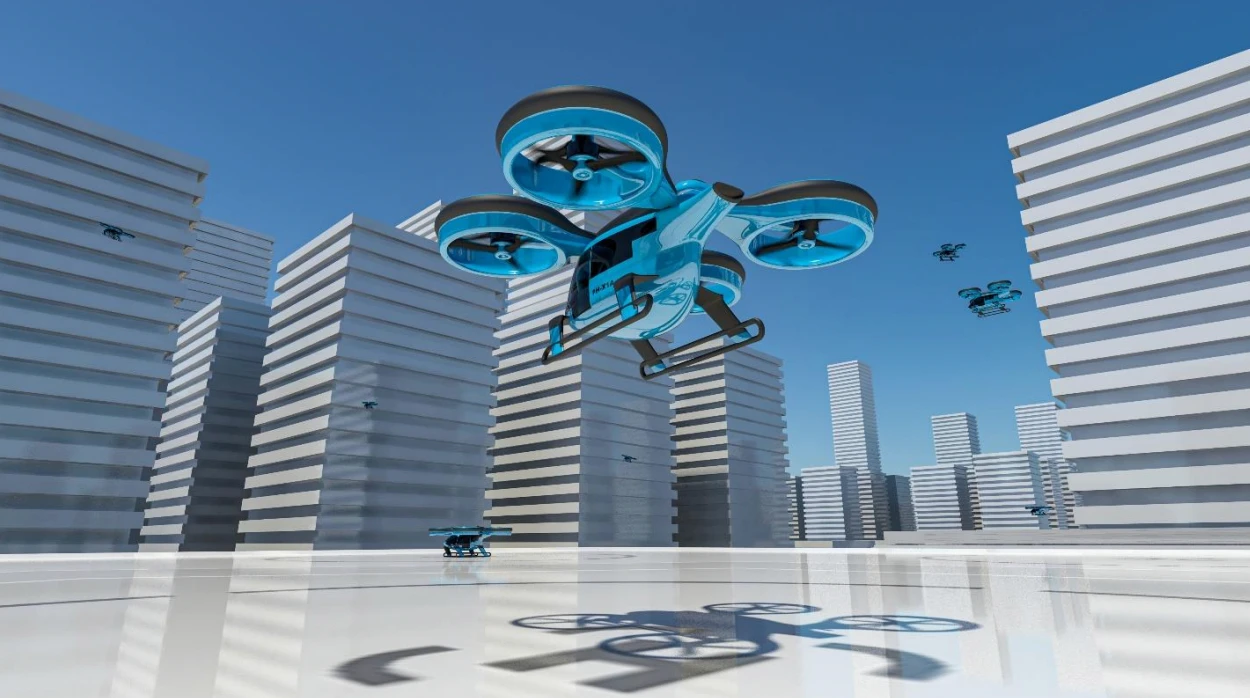
Organisations that recognise this shift and invest in professional training, operational governance, and integrated systems will be best positioned to operate safely in increasingly complex airspace. In this environment, the drone pilot evolves into a systems manager and risk assessor, becoming a central part of a coordinated operational ecosystem. This transition marks the true maturation of our industry.