•

Stephan van Vuren
Situational awareness in times of crisis: Why Public Safety and First Responders need integrated operational platforms
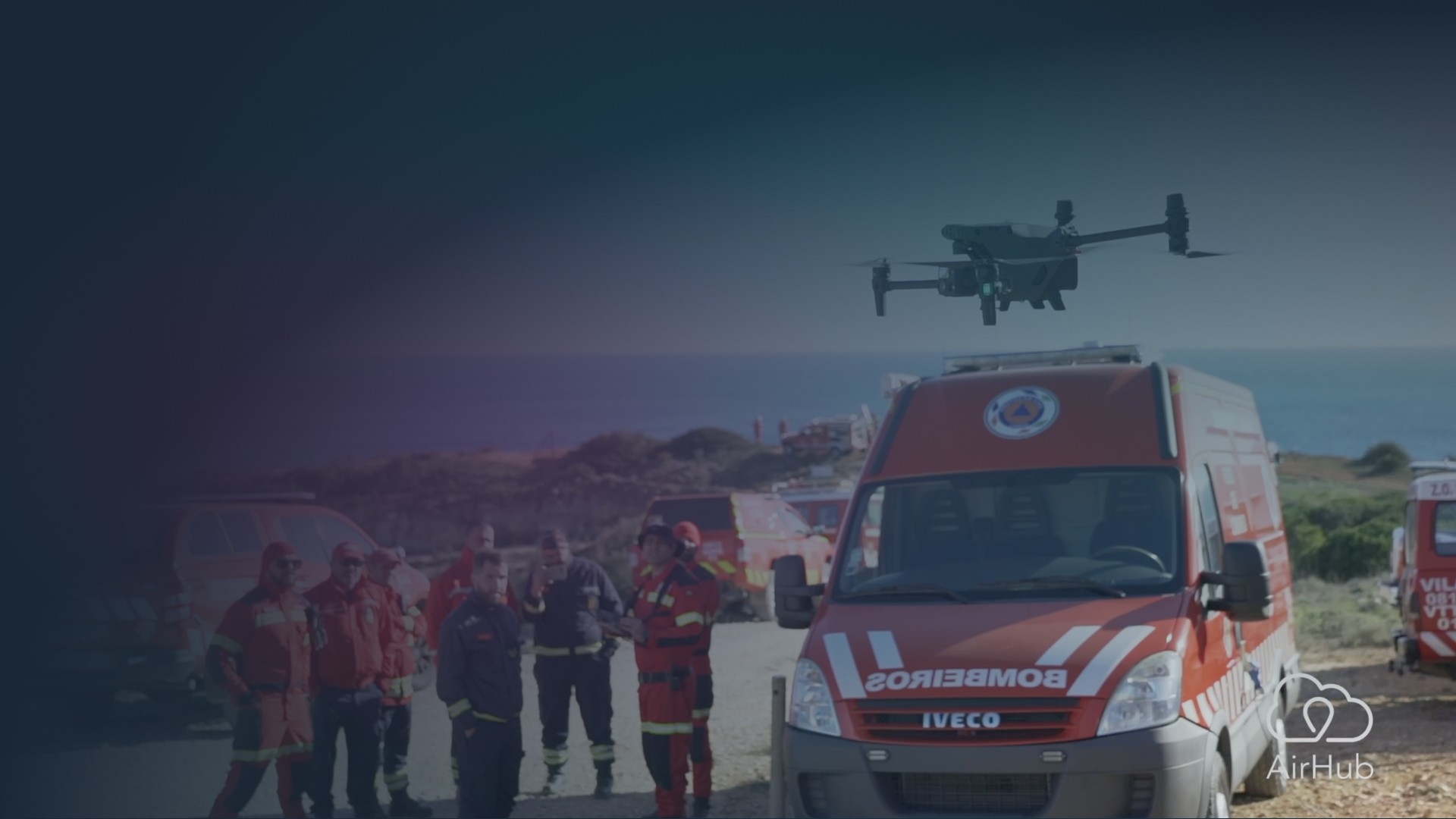
In recent weeks, global events have once again demonstrated how quickly situations can escalate and how complex operational environments can become for public safety organisations. In regions experiencing heightened geopolitical tensions, drones, robotics, and other emerging technologies are increasingly present in the operational landscape. For civil authorities, emergency services, and defence organisations alike, this creates both new capabilities and new challenges.
In these circumstances, effective response depends on one critical factor: situational awareness.
When incidents unfold rapidly, decision-makers need a clear and reliable understanding of what is happening in the air and on the ground. Without this shared operational picture, coordination becomes difficult, response times increase, and risks to responders and the public grow.
Modern crises increasingly demand platforms capable of integrating multiple streams of information into a single operational view.
The complexity of the modern operational environment
Public safety organisations traditionally relied on radio communication, static command centres, and limited aerial observation to coordinate responses. Today, operational environments are far more dynamic.
Drones are widely used by first responders for rapid aerial reconnaissance, search and rescue, infrastructure monitoring, and incident assessment. Robotics platforms are deployed in hazardous environments. Body cameras provide real-time perspectives from responders on the ground. Fixed CCTV networks monitor critical locations. Sensors detect environmental hazards such as smoke, heat, or structural instability.
Individually, each of these systems provides valuable information. But during fast-developing situations, information fragmentation can quickly become a problem. Different teams may operate different systems, data may be stored in separate platforms, and decision-makers may struggle to combine inputs into a coherent operational picture.
In high-pressure environments, fragmented information leads to delayed decisions.
This is why integrated situational awareness platforms are becoming increasingly important.
"When I talk to people working in public safety and emergency response, the challenge is almost always the same. It is not a lack of technology. It is a lack of overview. Responders are dealing with fast-moving situations, multiple systems, and incomplete information all at once. We believe that no one in the field should have to make critical decisions without a clear and shared operational picture. That is what we work towards every day." — Stephan van Vuren, CEO at AirHub
Managing the airspace during complex incidents
One of the most challenging aspects of modern crisis response is the management of low-altitude airspace.
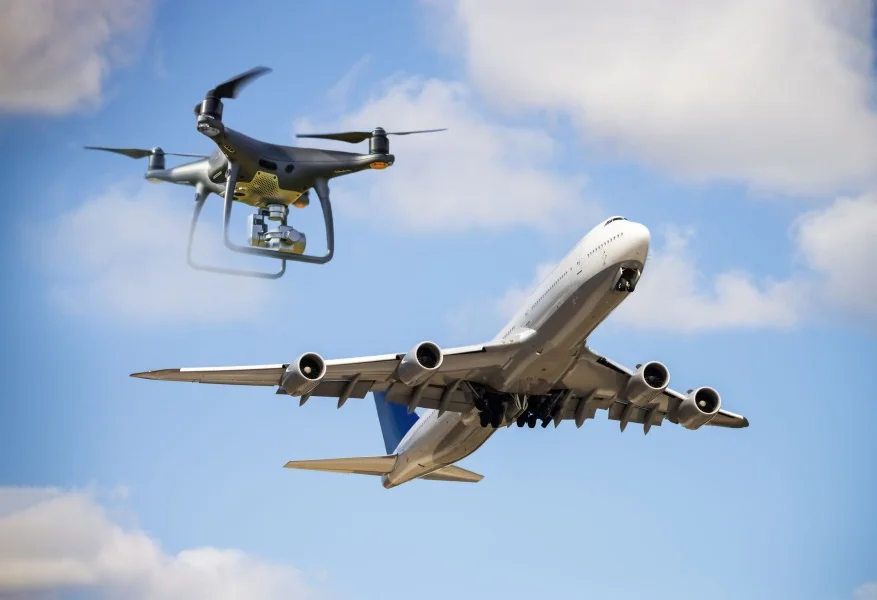
Drones are now used extensively by emergency services, infrastructure operators, and security organisations. At the same time, other aerial systems may also be present in the same environment. Some may be authorised and coordinated. Others may be unknown, non-cooperative, or potentially malicious.
During a crisis, the ability to clearly distinguish between different types of aerial activity becomes essential.
Operational teams need to understand which drones belong to their own organisation, which ones are operated by approved partners or neighbouring agencies, and which aircraft represent unauthorised or unidentified activity. At the same time, manned aviation may also be operating in the same airspace, including helicopters supporting emergency response.
Without a structured platform to manage these interactions, the airspace can quickly become congested and confusing.
An operational platform must therefore provide clear visibility of all known aerial activity, integrating flight plans, telemetry, detection systems, and airspace data. This allows responders to safely coordinate drone operations while identifying unexpected or potentially problematic activity.
Situational Awareness on the ground
Airspace awareness is only part of the equation.
During incidents such as large fires, infrastructure failures, natural disasters, or security events, responders must also understand what is happening on the ground. Real-time insights are essential for directing resources effectively and protecting both responders and civilians.
Modern response environments generate large volumes of data. Drones may provide aerial video feeds. Ground robots may operate in hazardous zones. Body cameras provide first-person perspectives from responders. CCTV networks capture activity across large areas. Environmental sensors may detect smoke, gas, heat, or other hazards.
The challenge lies in transforming this diverse set of inputs into actionable intelligence.
A situational awareness platform aggregates these data streams and presents them within a single operational interface. Instead of monitoring multiple systems separately, command centres and field operators gain access to a unified operational picture. Live video feeds, sensor data, and positional information can be layered on top of maps, enabling teams to understand how an incident is evolving in real time.
This type of integrated view significantly improves coordination between teams operating on the ground, in the air, and within command centres.
Faster decisions in fast-moving situations
Crisis environments are characterised by uncertainty and speed. Incidents can escalate rapidly, and responders often need to make critical decisions within minutes.
A fragmented information environment slows down this decision-making process. Operators may need to switch between multiple platforms, verify information across different sources, and manually coordinate with other teams to understand the situation.
An integrated situational awareness platform reduces this complexity.
By combining airspace management, live sensor feeds, drone telemetry, and other operational data into a single environment, decision-makers can assess situations faster and coordinate responses more effectively. This shared operational picture helps ensure that all teams are working from the same information, reducing confusion and improving safety.
Preparing for an increasingly complex future
The global security environment is evolving. Technological capabilities are spreading rapidly, and unmanned systems are becoming increasingly accessible. At the same time, geopolitical tensions, climate-related events, and infrastructure challenges are creating more situations that demand coordinated emergency responses.
Public safety organisations must therefore prepare for a future where incidents are more complex and operational environments more technologically dense.
This preparation requires more than individual tools. It requires integrated operational platforms that connect sensors, aircraft, robotics, and responders into a unified ecosystem.
How AirHub supports Situational Awareness
At AirHub, we focus on enabling this integrated operational picture.
Our platform allows organisations to manage drone operations while simultaneously integrating airspace information, detection systems, and sensor data from multiple sources. This helps operators distinguish between authorised drones, approved partner operations, unidentified aerial activity, and manned aviation operating in the same environment.
At the same time, the platform can combine live video streams and sensor inputs from drones, robotics platforms, body cameras, and fixed cameras. By correlating these data streams, AirHub helps create real-time insights that support faster and safer decision-making during complex incidents.
Looking ahead
As crises become more complex and technology becomes more deeply embedded in operational environments, situational awareness will continue to be a defining capability for public safety and security organisations.
The ability to combine airspace awareness, sensor data, and real-time operational inputs into a single platform will play an increasingly important role in helping responders operate safely and effectively.
In a world where incidents can evolve quickly and unpredictably, the organisations that invest in integrated situational awareness platforms will be best equipped to protect both their teams and the communities they serve.
Curious what AirHub can do for your organisation? Talk to one of our experts and see the platform in action.